


When I Broke the 50-Metre Butterfly Record, I Bought a BMW M3, Says Mark Foster
 January 3, 2026
Early Life and Financial Lessons
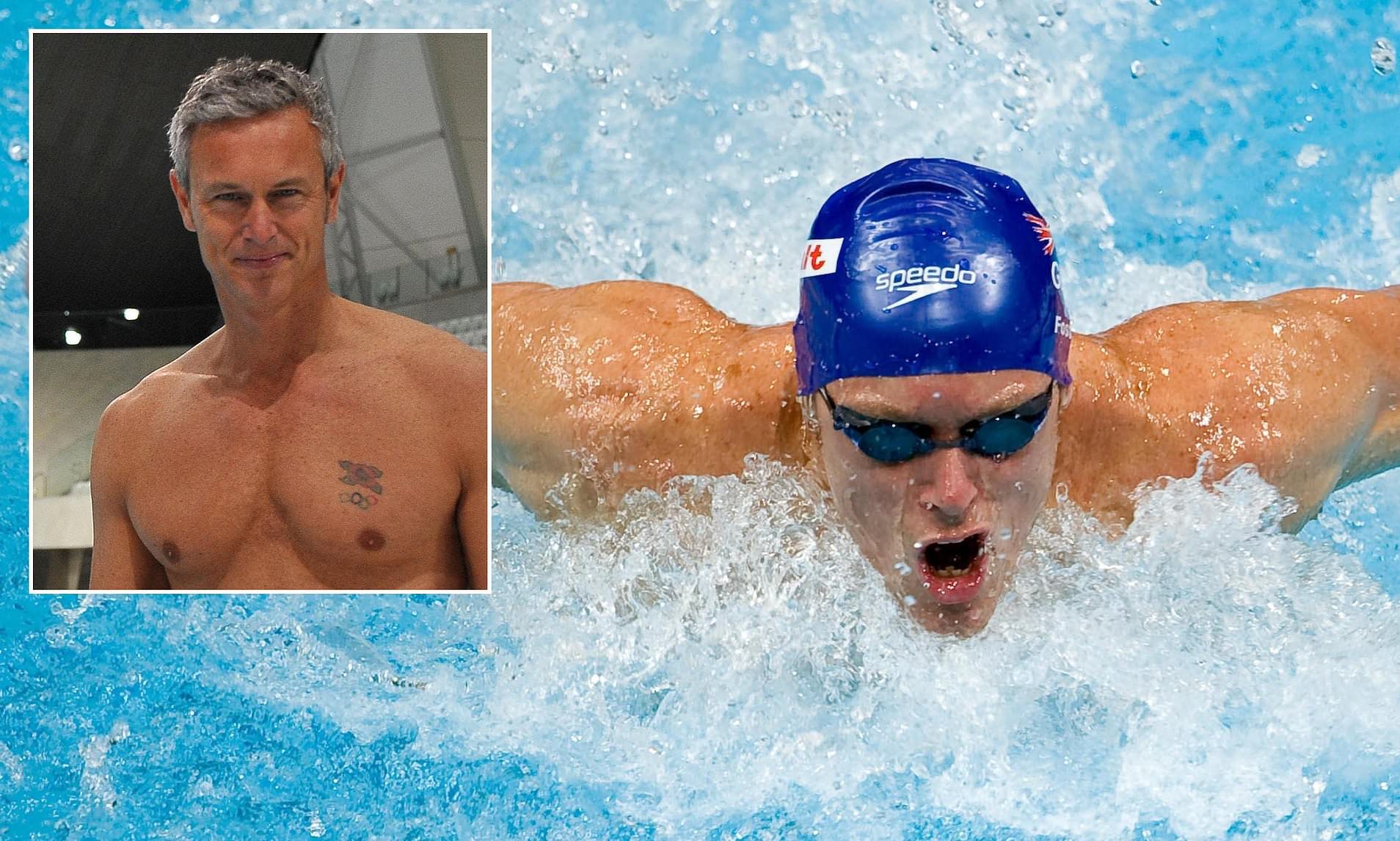
Mark Foster, a 55-year-old former swimmer who represented Great Britain at five consecutive Olympic Games from 1988 until 2008, has an impressive list of achievements. He won six world titles, 11 European titles, two Commonwealth titles, and set eight world records. Since retiring in 2008, he has transitioned into roles as a commentator and motivational speaker. His autobiography was published in May, and he currently resides in Essex and Norfolk.
Foster’s financial values were instilled by his parents. “You can’t have it unless you’ve earned it,” he recalls. His late father, Robin, started his career as a maths teacher before working in advertising with Saatchi & Saatchi, though he wasn’t involved in film production or held a high-profile position. His mother, Sheila, was a former nurse and health visitor who had a deep love for sports.
Growing up in Thorpe Bay, Essex, Foster’s mother paid for him to take swimming lessons in Southend from the age of six. By 15, he was the fastest swimmer in the country.

First Pay Packet and Financial Struggles
Foster’s first experience with earning money came around the age of 15 when he occasionally helped his sister with a paper round and assisted the milkman on Saturdays. Although the pay was minimal, he didn’t mind the early starts because he was already waking up early for swimming practice.
Despite his success in swimming, Foster admits that he faced financial challenges. “There was no money in swimming—it was completely amateur, and the rewards were just medals and representing your club or country.” At 17 or 18, he worked as a groundsman at his old school. Later, he took on various jobs such as fitting double-glazed windows, temping in a council office, and being a courier driver to support himself financially while continuing his swimming career.
Earnings and Financial Milestones
Foster never experienced significant wealth during his swimming career. The most prize money he ever received was £20,000 after breaking the world record for the 50m butterfly at Empire Pool in Cardiff in 1996.
After retiring, his financial situation improved significantly. “Definitely not in the pool but outside the pool since I retired. Probably 2012,” he says. His main income now comes from public speaking, where he discusses careers in sport and the lessons learned from his experiences. The year 2012 was particularly lucrative due to the London Olympics, which saw a surge in demand for British athletes.
Spending Habits and Major Purchases
Foster describes himself as a saver, though not an ultra-saver. “I don’t put money away all the time,” he explains. He is risk-averse but also enjoys taking calculated risks. As a young person starting to earn money, he spent what he made and went through a phase of buying nice things. Now, he lives within his means and doesn’t consider himself extravagant.
The most expensive thing he bought for fun was a BMW M3, which he purchased with the £20,000 prize money he earned in 1996. As someone from Southend in Essex, he had always been a bit of a boy racer and wanted fast cars. After breaking the world record, he considered the BMW a reward for his hard work. However, he later switched to a more practical vehicle, driving a Volkswagen Touareg for the past five years, which he considers the best car he’s ever owned.
Financial Mistakes and Wise Decisions
One of Foster’s biggest financial mistakes was investing £40,000 in a supplement company about 20 years ago. He convinced Colin Jackson, a Welsh athlete turned commentator, to invest the same amount. Unfortunately, the investment failed quickly, and they were given excuses instead of answers. “I’d rather have given that money to charity,” he admits.
On the other hand, one of his best financial decisions was co-founding FitSteps, a dance/fitness program launched in 2014 with professional dancers Ian Waite and Natalie Lowe. The program combines ballroom and Latin dance steps into an effective workout suitable for all ages and abilities. It has gained traction across the UK, with approximately 1,000 teachers participating.
Retirement Planning and Property Ownership
Foster does not have a traditional pension, as he has been self-employed throughout his career. Instead, he has invested in ISAs and PEPs, which are now managed through a hedge fund and stocks and shares. He relies on the advice of a close friend who serves as his accountant and financial adviser.
He owns two properties: a three-bedroom semi in Essex and another house in Norfolk, where he divides his time. His connection to Essex runs deep, as his mother and two sisters live nearby. He fell in love with Norfolk while playing golf there, where he has maintained a handicap of around 9.5.
Future Goals and Personal Philosophy
If he were Chancellor, Foster would focus on addressing major issues in the economy. One of his concerns is the tax on inheritance, which he finds harsh. “It’s unfair that someone works and gets taxed all their life, and when they die, the money they leave gets taxed too.”
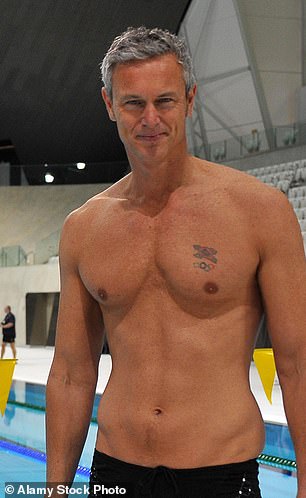
His top financial priority is paying off his mortgage, which has about ten years remaining. If he suddenly came into a large sum of money, he would prioritize settling the debt first. Despite his busy schedule, he continues to stay fit by going to the gym four times a week and swimming once or twice a week at David Lloyd clubs.
Occasionally, when recognized in the pool, he enjoys a friendly race with others. Sometimes he lets them win if they’re good enough, but he’s not afraid to show off his past glory if needed.