


David Lloyd Clubs Unaffected by Cost of Living Crisis, Boss Says – Top Club Now £459 a Month
 January 3, 2026
The Rise of Fitness Amid Financial Challenges
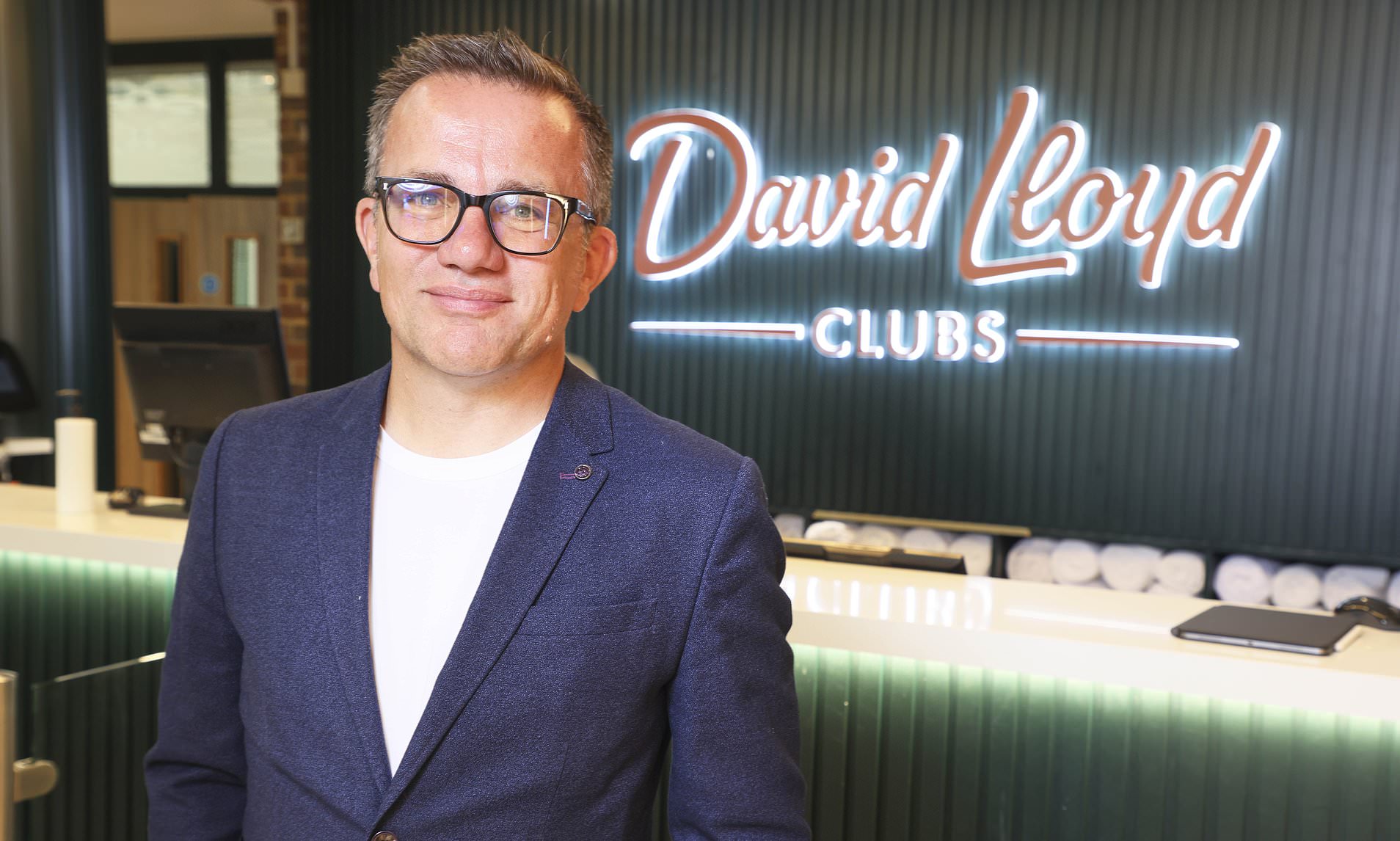
After days of indulging in festive treats, the leftover roast potatoes are almost gone, and the tins of chocolates on the table by the TV now hold only empty wrappers. As we turn our attention to New Year resolutions and reluctantly glance at the gym kit that has been left untouched in the corner, one individual is clearly excited about Britons’ January fitness pledge: Russell Barnes, chief executive of David Lloyd, the UK’s largest upmarket gym chain.
Despite the ongoing cost of living crisis and the Budget increasing the UK’s tax burden to a record high, Barnes claims that demand for David Lloyd’s services is surging. The company, which offers gyms, tennis and padel courts, swimming pools, spas, and creches for children, is expanding rapidly across the UK.
In December, David Lloyd opened three new venues in south London, Kent, and Essex, bringing its total number of sites in Britain to 108, with 29 in Europe and over 800,000 members. The company plans to open another 15 clubs across the UK and Europe by 2027, and has identified around 100 opportunities in the UK for expansion over the next ten years.

Barnes states that his business has not felt the impact of the cost of living crisis, the UK’s mortgage cliff, or the rise in inflation. “Even now, after the Budget, where more money is being pushed into welfare, we are continuing to grow. We don’t experience any tremors,” he says.
This growth comes despite the company raising fees for 2026, with the priciest club costing £459 a month. This price – for an individual membership at David Lloyd’s top club in Chelsea, west London – is a third of the UK’s average £1,253 monthly mortgage repayment.
“We’ve got nearly 20 clubs with waiting lists. Demand is strong and robust, irrespective of what [Chancellor] Rachel Reeves may do,” the boss says.
Wealthy Prioritise Fitness Over Holidays
Barnes claims that high-earners have changed their spending habits since the pandemic and are now prioritizing expensive gym subscriptions over family holidays. “Before then, we were competing for customers’ disposable income with short breaks, or going out to dinner, or to the cinema. But now we are being prioritised above going on holiday, things that you would have thought were foundations of family life,” he says.
Half of David Lloyd’s members are families, who pay extra to use its creche, tennis, and swimming lessons. “You come in [to a club] on a Saturday or Sunday morning, and don’t necessarily have to see your children for two or three hours. My kids are older now but I remember when that time was precious,” Barnes adds.
However, some members have raised concerns about certain un-family-friendly activities at the company’s gyms on a David Lloyd Facebook forum. One user compared a north London club to being “like Love Island in the evenings. A lot of the regulars refuse to go in there at night. FaceTime calls, photos and a lot of intimacy.” Another claimed her club had “had two couples banned for having sex,” while others mentioned “tagged” criminals in saunas and spa rooms.
Barnes says his staff take swift action to address any indecent conduct but adds that if people are not behaving inappropriately, they are welcome. “It is not for us to say: ‘You can’t become a member if you’ve got an ankle tag.’ We have removed a number of members this year for behaviour that we don’t think is appropriate. But we’re dealing with human beings and the whole spectrum of people’s behaviours,” he explains.
Expanding Facilities and Embracing Technology
David Lloyd’s numbers have not been affected by these issues. The company’s focus on building more spas and padel courts, along with the “premiumisation” of venues, helped it post a 33% rise in adjusted profits to £231 million last year. The company employs over 11,500 people. Owner TDR Capital, which also owns Asda, put David Lloyd up for sale in 2024 but failed to find a buyer and instead refinanced in a deal worth more than £2 billion last summer – thought to be the biggest refinancing deal of 2025.
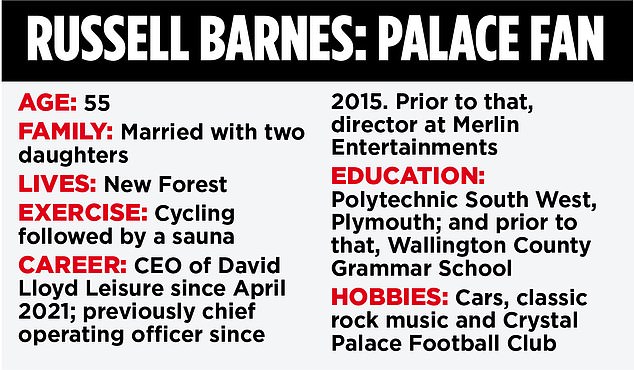
In 2026, the group is investing more to make its clubs bigger and better to justify higher prices. Outside of London, some clubs’ monthly fees are as low as £80, but Barnes says TDR has spent £280 million “premiumising” David Lloyd’s estate this year, with even higher spending planned in the future to boost facilities.
“We’re enlarging clubs where possible, making them more luxurious, with reformer Pilates studios, padel courts and co-working spaces. There is no doubt that [doing so] protects us from those who are feeling the pinch through increased taxation and the pressures of the cost of living.”
While you and I may be struggling just to get our trainers on and run off some mince pies in the chill of January, David Lloyd is betting millions on 2026’s biggest fitness trend being extreme data-tracking, where people can analyze every aspect of their body and fitness levels.

Barnes says the company is aiming to capitalize on this craze by rolling out a new, £150-a-month service in 12 of its gyms to start with. For that extra fee, which could see some members paying over £600 a month to David Lloyd, users will have their biometric data from gym machines combined with blood testing to provide “deeply insightful data so we can build detailed, bespoke fitness programmes, which we will track every six months.”
“This will give real data on users’ health and wellbeing. There is no doubt that there’s an appetite for this level of insight among our membership,” Barnes says.
He adds that Britons’ working-from-home patterns after the pandemic have helped the chain reduce queues at the treadmill. “We used to face a peak and a trough. Now the usage curve is much flatter, it’s always busy. We’re trialling opening at 5.30 in the morning in some clubs.”
Investing in AI and Future Trends
David Lloyd is also embracing artificial intelligence (AI) to combat growing competition from at-home sports gadgets such as Magic AI, a personal trainer in a mirror whose fans include former England Test cricket captain Sir Alastair Cook, British Olympic sprinter Desiree Henry, and Strictly Come Dancing star Katya Jones.
Barnes says the firm has spent £25 million on a members’ app, which will soon integrate more AI. “We will upload every gym floor and every piece of kit onto it, to give progressive, individual gym programmes on your phone,” he tells me.
While the gym boss acknowledges that many Brits are finding their finances squeezed, that is not the case everywhere. “There is a strong narrative that everyone in the UK is struggling. I know that there are parts of the UK that are – you just have to look at the food bank data. But there are also British businesses that are doing really well,” he says.
Barnes added that Reeves recently invited him and four other chief executives to No 11 Downing Street, a meeting where he seemed set on trying to provide some optimism for the UK in the new year.
“We need to start realising that Britain isn’t broken. It’s got some struggles. But it’s not all doom and gloom. There are pockets of positivity. I’m happy to pay my taxes and I’m happy to stay and live in Britain,” he says.