


Man Creates New Sport from Unusual Hobby Aims for Soccer-Level Fame
 January 26, 2026
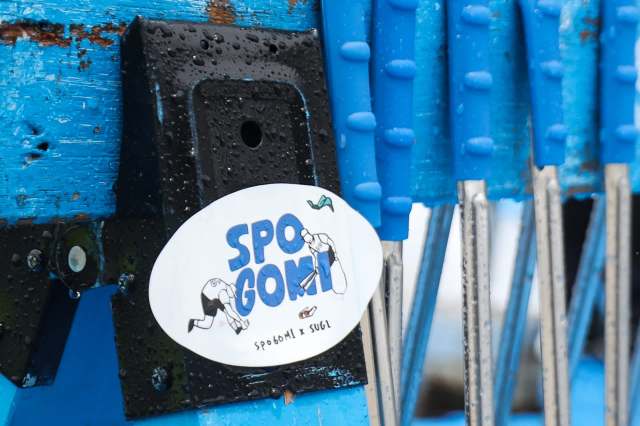
The Evolution of a Unique Sport
What began as a simple morning jog has transformed into a global phenomenon that is reshaping how people perceive waste. Two decades ago, Kenichi Mamitsuka, an enthusiastic runner from Kagoshima, Japan, started picking up litter during his daily runs. Initially, the habit felt strange — onlookers would stare, and the trash itself was unappealing. However, over time, something remarkable happened.
“The trash I used to find unpleasant gradually turned into targets,” Mamitsuka shared with National Geographic. “I realized I was actually enjoying myself.” This realization led to the creation of spogomi, a sport that merges “sport” with “gomi,” the Japanese word for trash. Drawing from his experience organizing social sports, Mamitsuka turned casual litter collection into a structured, competitive game designed to be fun, inclusive, and accessible.
At first, Mamitsuka noted that “almost no one understood what we were trying to do,” but this changed as events continued. By presenting litter collection as a sport, he attracted individuals who had never considered environmental action before, according to his interview with National Geographic.
How Spogomi Works
The goal of spogomi is straightforward: clean up litter while moving your body and working as a team. What sets it apart from activities like plogging is its rulebook. Teams compete under timed conditions, must stay within a set distance of one another, cannot run, and earn points based on the type and weight of the trash they collect. Certain items, such as cigarette butts, are worth extra points.
Since spogomi was formally established in 2008, approximately 190,000 participants have collected an estimated 440,000 pounds of trash, according to the Nippon Foundation Spogomi Federation. The sport’s growth reached a milestone with the first Spogomi World Cup in Tokyo in 2023, which featured teams from 21 countries. By 2025, that number had increased to 34.
For many players, spogomi becomes a gateway to environmental awareness. “I wasn’t someone who had previously picked up litter or knew much about the environment or climate,” Sarah Parry, a member of the United Kingdom’s 2023 championship team, told National Geographic. “That has changed now through spogomi.”
Accessibility and Inclusivity
Mamitsuka designed the rules with accessibility in mind. “I wanted it to be a competition that anyone could take part in — regardless of age or gender,” he said in his interview with National Geographic. He added that banning running was a deliberate choice to keep the playing field level.
While spogomi alone doesn’t address the root causes of pollution, researchers believe it can help build awareness and encourage broader engagement. The sport serves as a reminder that small actions can lead to significant changes.
A Global Vision
Mamitsuka hopes the sport inspires participants to take action beyond the game itself. “Environmental issues — especially marine litter — are global problems that affect all of humanity,” he told National Geographic. “Spogomi is a way for everyone, anywhere in the world, to take part and contribute.”
As the movement grows, his vision remains ambitious. “Our long-term goal is to grow spogomi into a truly global sport, something as widely recognized as soccer or tennis,” Mamitsuka said.
Embracing Change Through Action
Spogomi is more than just a sport; it’s a movement that encourages people to think differently about their environment. It combines physical activity with environmental responsibility, making it an appealing option for individuals of all ages and backgrounds. By turning litter collection into a competitive game, Mamitsuka has created a platform that not only cleans up communities but also fosters a sense of unity and purpose.
Participants often find themselves becoming more aware of the impact of waste on their surroundings. This shift in perspective can lead to lasting changes in behavior and a deeper commitment to sustainability. As spogomi continues to gain traction worldwide, it serves as a powerful example of how innovative ideas can drive meaningful change.

Get TCD’s free newsletters for easy tips to save more, waste less, and make smarter choices — and earn up to $5,000 toward clean upgrades in TCD’s exclusive Rewards Club.