


What the Mets’ Overloaded Rotation Might Do Next
 January 25, 2026
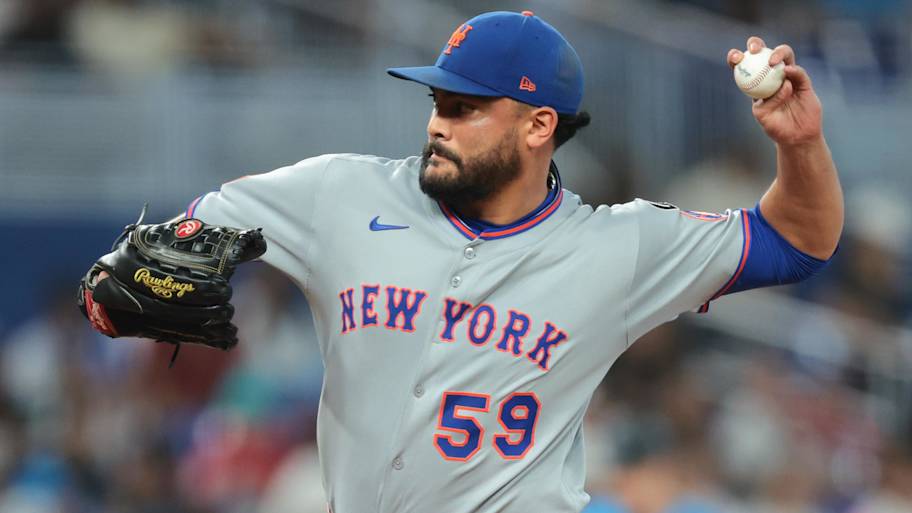
The New York Mets Make a Major Move for Their Starting Rotation
The New York Mets have taken a significant step to strengthen their starting rotation by acquiring Freddy Peralta in a recent trade. In exchange, the team sent out Brandon Sproat and Jett Williams, while also bringing in Tobias Myers. This move adds two more potential rotation options and removes one from the mix.
Earlier in the offseason, the Mets were linked with other possible additions such as Zac Gallen and Chris Bassitt, aiming to secure more reliable innings at the front of the rotation. However, general manager Billy Eppler made a strategic decision to bring in Peralta, who is expected to serve as the team’s new ace.
Peralta and Myers now join an already crowded rotation that includes holdovers like David Peterson, Kodai Senga, Sean Manaea, Nolan McLean, Jonah Tong, and Christian Scott. With this group, the Mets are looking to build a strong foundation for the upcoming season.
Managing the Pitching Depth
There had been speculation that the Mets might consider trading Kodai Senga, who lost his rotation spot during the 2025 season due to command issues. However, Eppler recently dismissed these rumors, stating that the team plans to keep Senga in the rotation after seeing how well he has performed since returning to the United States earlier this month.
Having a deep pitching staff can be beneficial, especially given the Mets’ experience last year where injuries and poor performance created unexpected needs. To manage this depth, the team could leave Myers in the bullpen and send Tong and Scott to Triple-A to start the season as starters. However, even with this strategy, the Mets would still have six starters competing for five spots in the majors.
The Bullpen Situation
If the Mets decide to keep all six starters in the big leagues, they would have seven remaining spots for relievers on their pitching staff. Six of those are likely to be filled by Devin Williams, Luke Weaver, A.J. Minter, Brooks Raley, Luis Garcia, and Myers, leaving just one open slot for spring training.
The Mets have several arms competing for that final bullpen spot, including Huascar Brazoban, Dylan Ross, Adbert Alzolay, and the recently signed Craig Kimbrel. If Minter is not ready for Opening Day, the team could carry Kimbrel along with one of the optionable relievers to round out the unit. However, once Minter returns, the Mets may find themselves in a situation where none of the relievers can be optioned to the minor leagues.
Injuries could change this dynamic, but if everyone remains healthy, the rigidity of the current setup could make it difficult for the Mets to make moves, which goes against how Eppler prefers to operate. Over the past two years, Eppler has kept the last few spots in the bullpen open to shuttle fresh arms into the group, a practice that could help avoid overusing the team’s late-inning arms.
Potential Solutions for the Rotation and Bullpen
One realistic option for the Mets is to commit to a full six-man rotation, allowing them to manage Nolan McLean’s innings in his first full season as a major leaguer while giving Senga an extra day of rest naturally. Another option is to use Sean Manaea, who has previous bullpen experience, as the long man. While paying a long man $25 million is not ideal, Manaea could serve as a second lefty in the bullpen until Minter returns. He could also step in as a sixth starter during stretches of the schedule without an off day.
It is also possible that the Mets could simply carry their current group into camp and see if another team experiences a major pitching injury, potentially creating a trade market for their excess starters. Moving someone like Manaea or Senga and backfilling with a veteran like Griffin Canning on a minor league deal could provide more flexibility for the pitching group.
Conclusion
After struggling with injuries last season, Eppler is probably not too concerned about having too many options in the rotation. With two months until Opening Day, the situation could resolve itself naturally. For now, the Mets have a good problem to navigate on the pitching side.