


VAR Review: Did Arsenal Deserve a Penalty for Forest’s Handball?
 January 17, 2026

Understanding the Role of VAR in Premier League Matches
The use of Video Assistant Referee (VAR) in the Premier League has sparked ongoing debate among fans, players, and officials. While it aims to ensure fairness, its decisions often lead to controversy. This season, we take a closer look at key incidents to understand how VAR operates and whether its judgments align with the Laws of the Game.
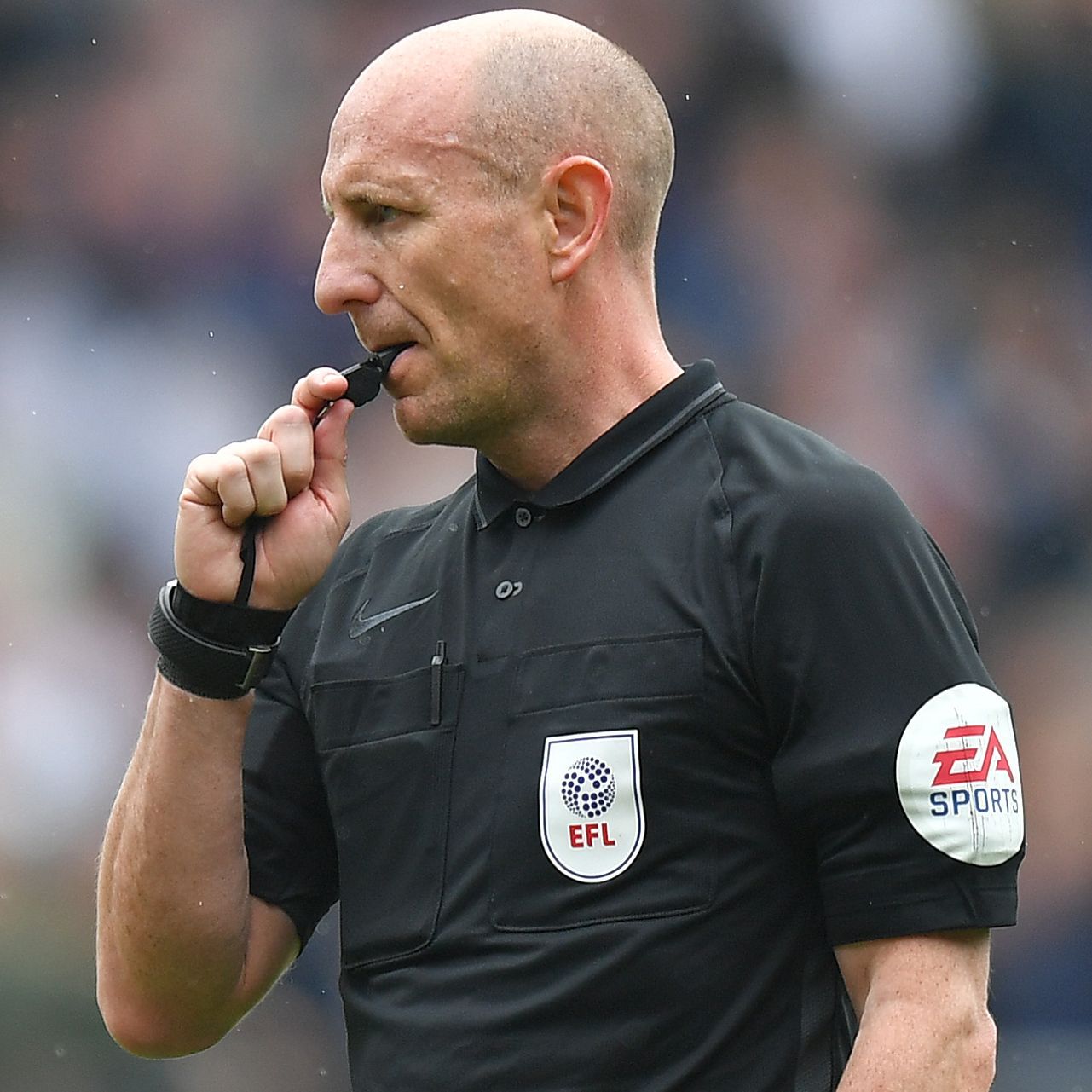
Andy Davies, a former Select Group referee with over 12 seasons on the elite list, offers unique insights into the VAR process. Having worked across the Premier League and Championship, he provides a rare perspective on the protocols and rationale behind VAR decisions.
Nottingham Forest vs. Arsenal – Handball Incident
Referee: Michael Oliver
VAR: Darren England
Time: 80 minutes
Incident: Possible penalty for handball
During this match, a potential handball situation arose when Nottingham Forest defender Ola Aina attempted to keep the ball in play by using his arm. At the same time, teammate Elliot Anderson made contact with Aina while also trying to control the ball.
VAR Decision:
The referee initially ruled no penalty, and the VAR review confirmed this decision. According to Darren England, the ball first deflected off Aina’s shoulder before touching his arm, which was in a natural position. Additionally, the contact from Anderson added uncertainty, making it difficult to confirm an obvious error.
VAR Review:
Since the referee was unsighted, the decision to review the incident rested entirely with VAR. England reviewed multiple replays and concluded that the ball had not been deliberately played with Aina’s arm. He felt that there were too many “possibles” and not enough “definites” to justify an on-field review.
Verdict:
While the reasoning for no intervention is clear, some may argue that Aina was fortunate not to face a penalty. The combination of the ball hitting his shoulder and the contact from Anderson created ambiguity, but ultimately, the decision stood.
Manchester United vs. Manchester City – Red Card Challenge
Referee: Anthony Taylor
VAR: Craig Pawson
Time: 10 minutes
Incident: Red card challenge
In this derby match, Manchester United defender Diogo Dalot committed a late challenge on Manchester City attacker Jérémy Doku, catching him high on the knee. The on-field decision was a yellow card, which was confirmed by VAR.
VAR Decision:
VAR Craig Pawson reviewed the challenge and confirmed the yellow card, citing that the contact was glancing and not with excessive force.
Verdict:
This incident sparked significant discussion, especially given the early timing of the challenge and the outcome of the match. Dalot’s challenge was described as lazy, with the contact being unnecessarily late, high, and across Doku’s knee.
Despite the discomfort Pawson may have felt during the review, the timing of the incident limited the evidence available for a red card. However, the nature of the challenge—dangerous, unnecessary, and potentially harmful—suggests that a red card might have been warranted.
Key Takeaways from VAR Decisions
- Clarity of Evidence: For a VAR intervention, there must be clear and definitive evidence of an offense. Ambiguity or “possibles” often lead to no review.
- Timing and Context: The timing of an incident can significantly influence VAR decisions. Early challenges in high-stakes matches may be more scrutinized, but the available evidence plays a crucial role.
- On-Field Communication: Live communication from the referee provides a starting point for VAR reviews, but it is not always sufficient to override the on-field decision.
VAR continues to evolve, and its role in ensuring fair play remains critical. As the technology and protocols develop, so too will the debates surrounding its effectiveness.