


Unveiling the Truth About Sports Gambling in America
 January 26, 2026
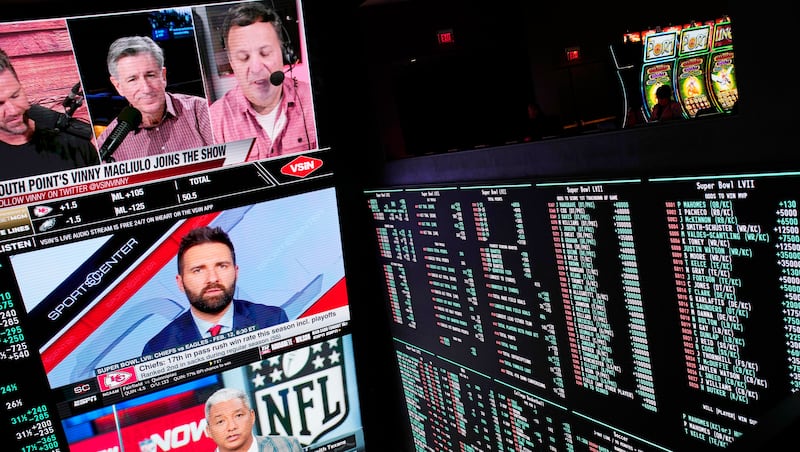
Americans’ growing fascination with sports betting has reached unprecedented levels. According to the American Gaming Association, individuals placed $35 billion in wagers on the NFL alone and nearly $150 billion across all sports in 2024. Projections for 2025 suggest even higher figures. Last year, legal sports betting on the Super Bowl reached a record $1.39 billion, and this year’s number is expected to surpass that.
Danny Funt, author of the newly released book Everybody Loses, argues that the stakes involved in this betting boom go far beyond money. His work delves into the broader implications of the rapid expansion of sports gambling across the United States.
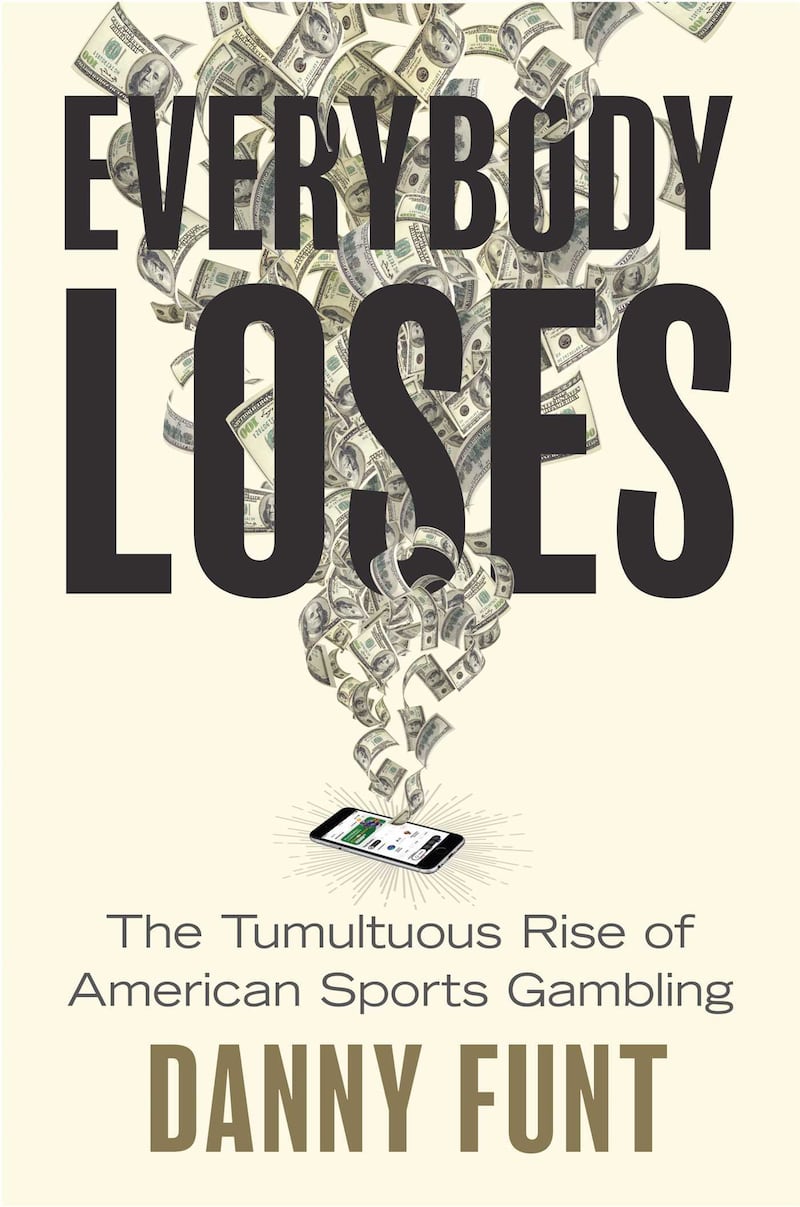
Funt highlights how the betting surge threatens the integrity of sports, the independence of sports media, and the ability of league commissioners to protect their players, coaches, and referees from potential threats. He also raises concerns about lawmakers prioritizing the interests of gambling lobbyists over the well-being of their constituents.
In Everybody Loses, Funt provides an in-depth look at the operations of sportsbooks, the reasons why professional leagues have embraced gambling, and how the media has become deeply entangled with the industry. The book questions the ethics, addiction risks, and governance issues surrounding sports betting.
One chapter details how sportsbooks often cut off or limit big winners while doing everything possible to retain the biggest losers. It also includes harrowing accounts of bettors who have lost everything, including their last dime.
Funt acknowledges that opinions are divided on whether legalizing sports betting is beneficial. However, he emphasizes that both sides of the debate can agree on one point: customers should not be treated unfairly or exploited, especially those who are vulnerable.
The book was released amid recent scandals involving sports betting, such as the indictment of 15 college basketball players for point-shaving. In the fall of 2024, over 50 people, including former and current NBA and MLB players and mobsters, were charged in four separate federal and state sports gambling cases.
Funt contributes to the Washington Post and has written for publications like the New Yorker, Wall Street Journal, and Columbia Journalism Review. In an interview, he discussed his findings and insights from writing Everybody Loses.

Deseret News: Why did you decide to write a book about sports betting?
Danny Funt: After covering it for the Washington Post, I felt that there was a lot left unknown, especially regarding how dominant sportsbooks operate internally and how they view their business and customers. I realized that it would take a book’s worth of investigation to uncover these secrets and speak with individuals in various roles within these companies.
DN: The title of the book is “Everybody Loses.” How did you settle on that and who is everybody?
DF: Literally, everyone. During my reporting, I realized that Americans are losing staggering amounts of money, but more importantly, leagues are losing faith in the integrity of their games, and sports media outlets are losing independence and reader trust. People suffering from gambling problems and the damage it causes to their families and friends are also losing. When considering loss in a broad sense, many people are affected.
DN: If everybody loses, why do people keep betting record amounts of money on sports?
DF: It’s hard to break the delusion that you can outsmart the bookmaker. Fans believe they know their favorite teams well and think they can beat the odds. Sportsbooks use tactics like microbetting—bets on granular details—to exploit fans’ biases. For example, they may offer worse payouts for outcomes that fans are optimistic about, such as a home run or a touchdown.
DN: Aren’t sportsbooks making lots of money?
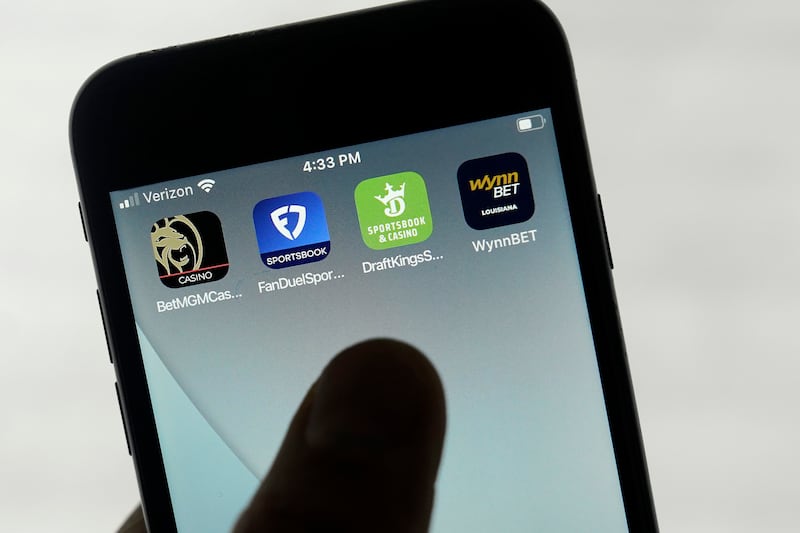
DF: While the house edge ensures that the bookmakers win in the long run, the U.S. market is becoming a duopoly dominated by FanDuel and DraftKings. Many companies struggle to stay afloat, which was a surprise to many in the industry.
DN: Do you think exposing people to how sportsbooks work will change their attitude toward betting on sports?
DF: It changed my own perspective. I used to place small bets occasionally, but learning about the ruthless tactics of these companies turned me off. I haven’t bet in over a year.
DN: Why did pro sports embrace sports betting after decades of trying to distance itself from gambling?
DF: Leagues saw the potential to protect their TV rights by partnering with sportsbooks. Studies showed that gamblers watch more games, including blowouts, which made them valuable to leagues. The NFL, for example, earns over $2 billion annually through partnerships with sportsbooks.
DN: Is one pro sport more all in on gambling than another?
DF: All leagues have fully embraced gambling. A telling example is how gambling is prominently featured during broadcasts. During the World Series, for instance, networks show betting options as games begin.
DN: Has sports betting compromised sports journalism? If so, in what ways?
DF: Yes, the normalization of gambling through trusted sports outlets has influenced public perception. Reporters may avoid covering negative aspects of the industry due to fear of alienating advertisers.
DN: How has sports betting impacted the integrity of play on the field or on the court?
DF: Scandals have led to a loss of trust among fans. A survey found that 65% of Americans now believe some athletes alter their play to influence betting outcomes.
DN: What’s your take on the latest point-shaving scandal in college basketball?
DF: The delay in addressing these issues raises concerns. Legalization was supposed to provide access to data that would help detect suspicious activity, yet scandals often come to light years after the alleged misconduct.
DN: Why are state lawmakers so willing to embrace legal sports betting?
DF: Economic factors played a role, especially during the pandemic when states faced budget shortfalls. However, the revenue generated often falls short of expectations, and the public health costs of gambling addiction can outweigh any tax benefits.
DN: Is there something counterintuitive about legalizing bookmaking and then promising a large share of the revenue would go to treatment programs for problem gamblers?
DF: Most states fail to allocate even a modest portion of gambling revenue to addiction treatment, despite the growing number of people struggling with gambling-related issues. This lack of support raises serious ethical concerns.