


Titans Launch Coaching Overhaul Under Robert Saleh
 January 25, 2026
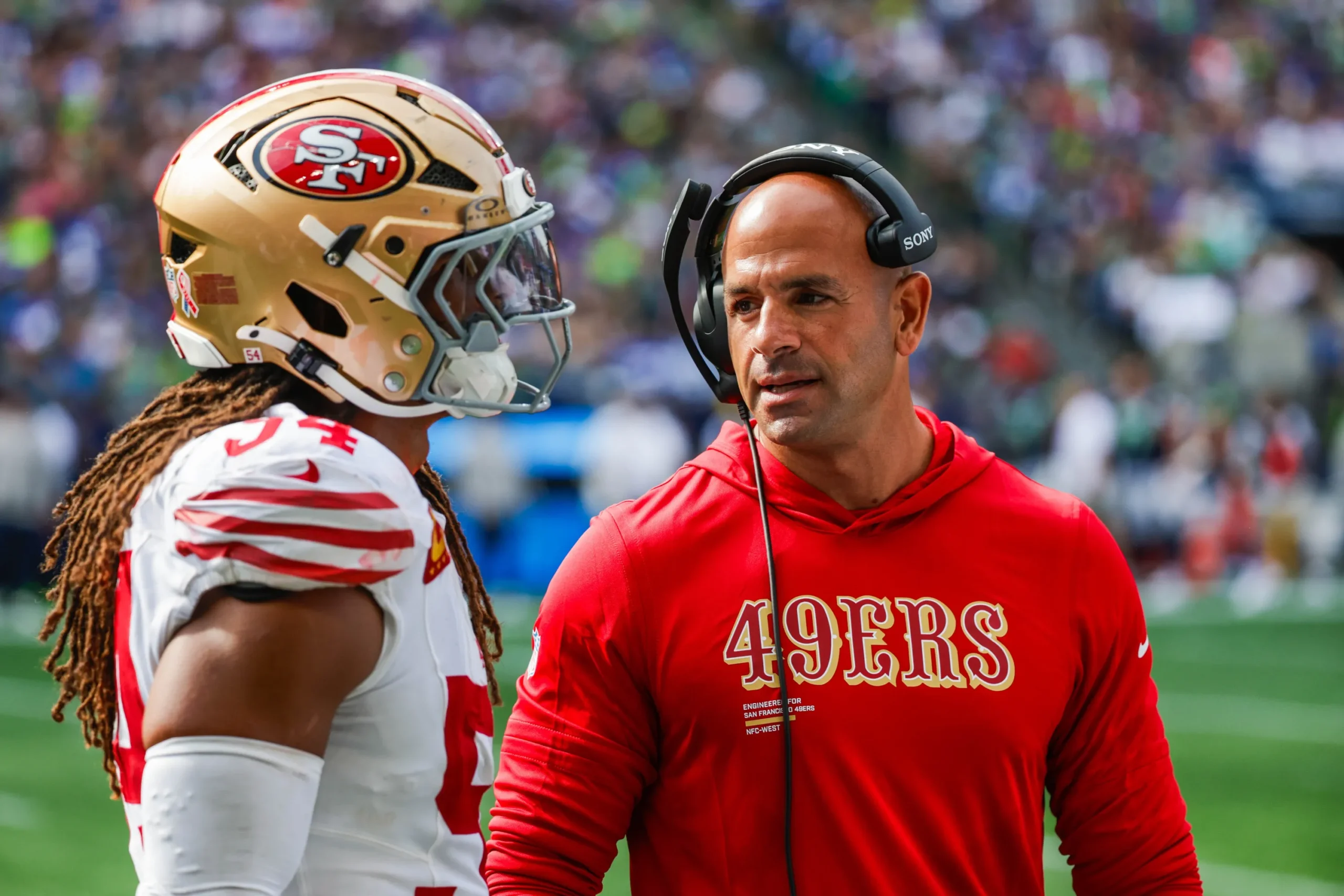
A New Era for the Tennessee Titans
The Tennessee Titans have taken a significant step forward by officially appointing Robert Saleh as their new head coach. This decision marks a pivotal moment for the franchise, signaling a shift in strategy and leadership. Owner Amy Adams Strunk expressed her confidence in the move, stating that Saleh is the ideal candidate to lead the team and contribute positively to the Nashville community. General manager Mike Borgonzi highlighted Saleh’s reputation as a defensive strategist who has consistently demonstrated the ability to overcome challenges.
Saleh has signed a five-year contract, indicating a long-term commitment from both the team and the coach. His immediate focus will be on fostering a competitive environment around young quarterback Cam Ward, with an emphasis on player development and sustainable growth. This approach underscores the Titans’ desire to build a strong foundation for future success.
Strategic Pivot for the Titans
The hiring of Saleh represents more than just a coaching change; it reflects a broader strategic pivot for the Titans. The team is looking to rebuild a roster that has faced difficulties in recent seasons and reestablish itself as a contender in the AFC. With Saleh’s defensive expertise and leadership style, the Titans are positioning themselves for a disciplined and cohesive approach on both sides of the ball, setting the stage for long-term success.
Defensive Leadership Takes Shape
One of Saleh’s first priorities is solidifying the defensive coaching staff. The Titans are currently interviewing Houston Texans defensive backs coach Dino Vasso for the vacant defensive coordinator role. Vasso has received strong endorsements from mentors Matt Burke and Jim Schwartz, which has helped elevate his profile within the league.
Vasso has spent years learning under respected defensive minds, and this opportunity represents his first chance to oversee an entire unit. Saleh, known for his own defensive acumen, values coordinators who share his disciplined and aggressive philosophy, making Vasso a logical fit. Securing a strong defensive leader is central to Saleh’s vision of team identity. A coordinator aligned with his approach will ensure consistency across schemes and allow players to fully embrace the culture he aims to establish.
For Tennessee, the addition of Vasso—or another like-minded candidate—signals a commitment to building a formidable defense capable of complementing the team’s developing offensive talent.
Offensive Staff Still in Flux
While the defensive staff is taking shape, the offensive side remains in transition. The Titans are considering multiple candidates for the offensive coordinator role, with Brian Daboll reportedly a primary target. Other experienced coaches under consideration include Kliff Kingsbury, Arthur Smith, Adam Stenavich, and Bobby Slowik.
The final decision will be influenced by broader coaching movements across the league, including the availability of high-profile candidates. Tennessee’s approach reflects a willingness to explore both established and innovative offensive minds to find the best fit for Cam Ward’s development. Offensive cohesion will be a key priority for Saleh, who recognizes that a young quarterback requires a clear system, supportive coaching, and creative play-calling.
Whoever fills the role must complement Saleh’s philosophy while fostering confidence and growth. By assembling a versatile and experienced offensive staff, the Titans aim to pair a strong defense with a dynamic attack, creating balance and depth throughout the roster.
Looking Ahead to 2026
With Saleh in place and coordinators being finalized, the Titans are transitioning from the hiring phase to active roster reconstruction. The coming weeks will be critical in determining how the coaching staff shapes the team’s identity and competitive trajectory for the 2026 season.
Staffing decisions will influence player development, free agency strategies, and the implementation of schemes on both sides of the ball. Saleh’s long-term approach emphasizes discipline, adaptability, and cultivating young talent, all of which are vital as Tennessee seeks to return to AFC relevance.
The combination of defensive expertise, potential offensive innovation, and front-office alignment gives the Titans a platform to move beyond recent struggles. Establishing continuity and clarity in coaching philosophy will be central to sustaining success.
Ultimately, Tennessee’s new era under Saleh is about more than wins and losses—it is an organizational reset aimed at building a culture of accountability, competitiveness, and growth across the roster.