Should Ben Johnson Have Gone for Two After the Miracle TD?
 January 20, 2026
The Bears’ Decision to Take the Extra Point: A Strategic Move
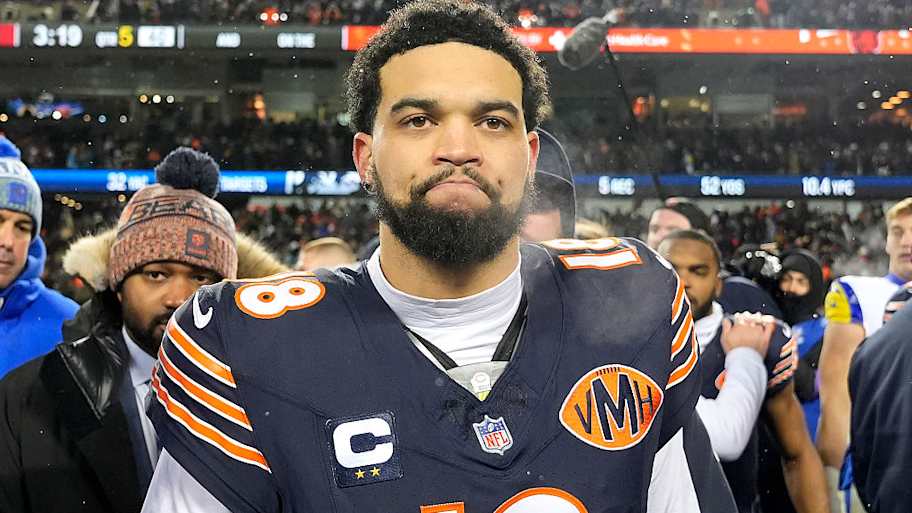
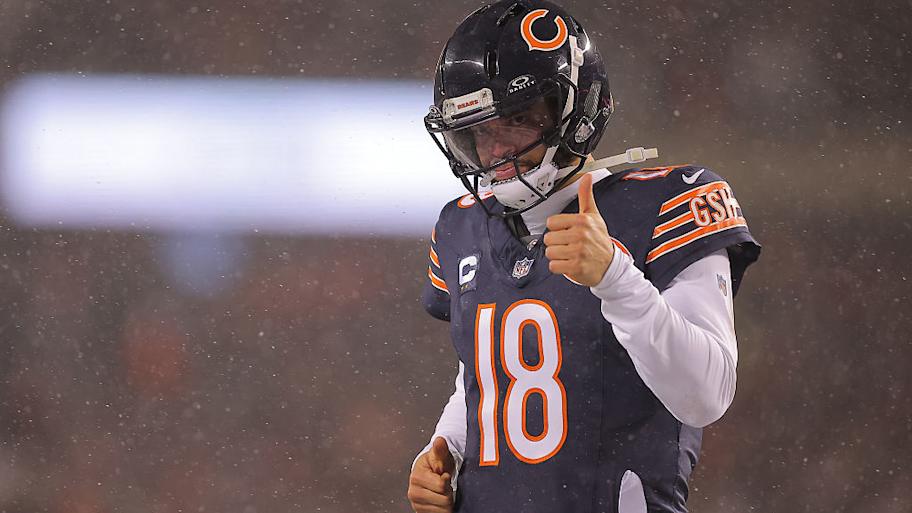
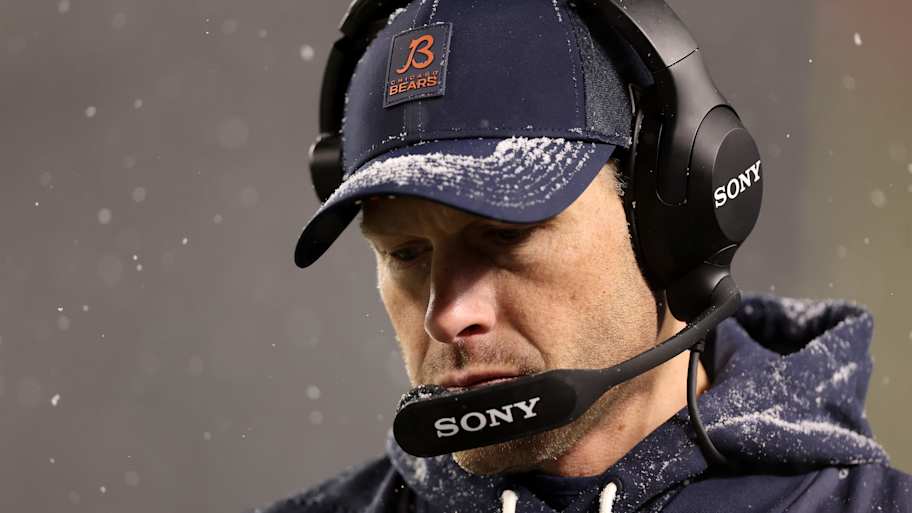
In a high-stakes game between the Chicago Bears and the Los Angeles Rams, head coach Ben Johnson made a controversial decision that sparked immediate debate. After Caleb Williams delivered a heroic touchdown pass to Cole Kmet, with the Bears’ season on the line, Johnson opted for the extra point rather than attempting a two-point conversion. This move tied the game and sent it into overtime, where the Bears ultimately fell short.
Despite the loss, many analysts argue that Johnson’s decision was the right one. Let’s explore the reasoning behind this choice and why it might have been the best path forward.
A Two-Point Conversion Would Not Have Guaranteed a Win
One of the most compelling arguments for going for the tie is that a successful two-point conversion would not have necessarily ended the game. Even if the Bears had converted, the Rams would still have had 18 seconds and two timeouts to respond. They only needed a field goal to take the lead, and their offense is among the most formidable in the NFL.
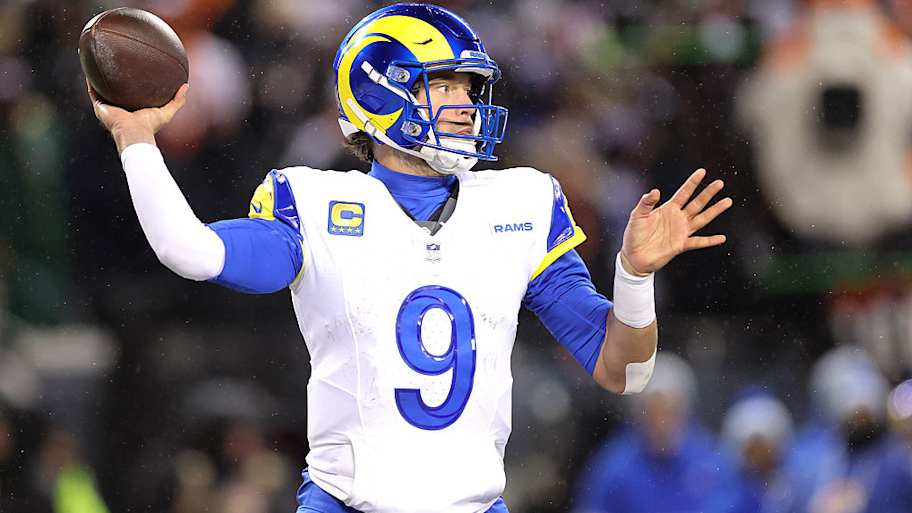
Matthew Stafford, the Rams’ quarterback, is a top contender for MVP, and his receivers, including Puka Nacua, are elite at their positions. Given the Rams’ offensive firepower, it’s reasonable to expect them to capitalize on any opportunity they were given. In fact, the Kansas City Chiefs pulled off a similar feat against the Buffalo Bills a few years ago, showing how unpredictable such situations can be.
By choosing the extra point, the Bears avoided giving the Rams a chance to win in regulation, which could have been a costly mistake.
The Odds Were Not in the Bears’ Favor
Another key factor in Johnson’s decision was the low probability of converting the two-point attempt. The Bears ranked 11th in the NFL in two-point conversion rate during the regular season, and they had struggled on fourth down in the playoffs prior to the miracle touchdown. Additionally, the game was played in frigid temperatures, and the Bears had dropped several passes, which could have affected their performance.
While it’s possible the Bears could have converted, the odds were not in their favor. Johnson, known for his aggressive coaching style, has often gone for it on fourth down or two-point conversions. However, in this specific situation, the risks outweighed the potential rewards. With the game tied and the possibility of overtime, there was no need to push the envelope unnecessarily.
Overtime Rules Provided a Safety Net
The recent rule change in the NFL, which guarantees each team at least one possession in overtime, also played a role in Johnson’s decision. This means that even if the Rams scored a touchdown to start overtime, the Bears would still have a chance to respond. If the Bears won the overtime coin toss, they would have had a shot to either tie or win the game.
Had the Bears lost in overtime without getting a chance to possess the ball, some might argue that going for the two-point conversion would have been the better option. However, by choosing the extra point, the Bears ensured they had a fair shot at winning in overtime, regardless of who won the coin toss.
The Decision Paid Off in Hindsight
Interestingly, Johnson’s decision worked out in hindsight. Although the Bears ultimately lost the game, they had a strong opportunity to win in overtime. After picking up three first downs, they were just a play away from setting up a game-winning field goal. Caleb Williams’ interception cost them that chance, but it wasn’t a direct result of Johnson’s strategy.
The coach put his team in position to win, and while the execution fell short, that doesn’t mean the decision was wrong. Hindsight is always 20/20, but at the time of the decision, there were more reasons to go for the tie than the win.