Short Shorts Dominate College Football Title Game
 January 20, 2026
The Rise of the Super Short Shorts in College Football
Short shorts have become a dominant trend in college football, with players across the country embracing the tight and short style that defies traditional norms. This trend has sparked a debate about safety, rule enforcement, and the role of officials in maintaining the integrity of the game.
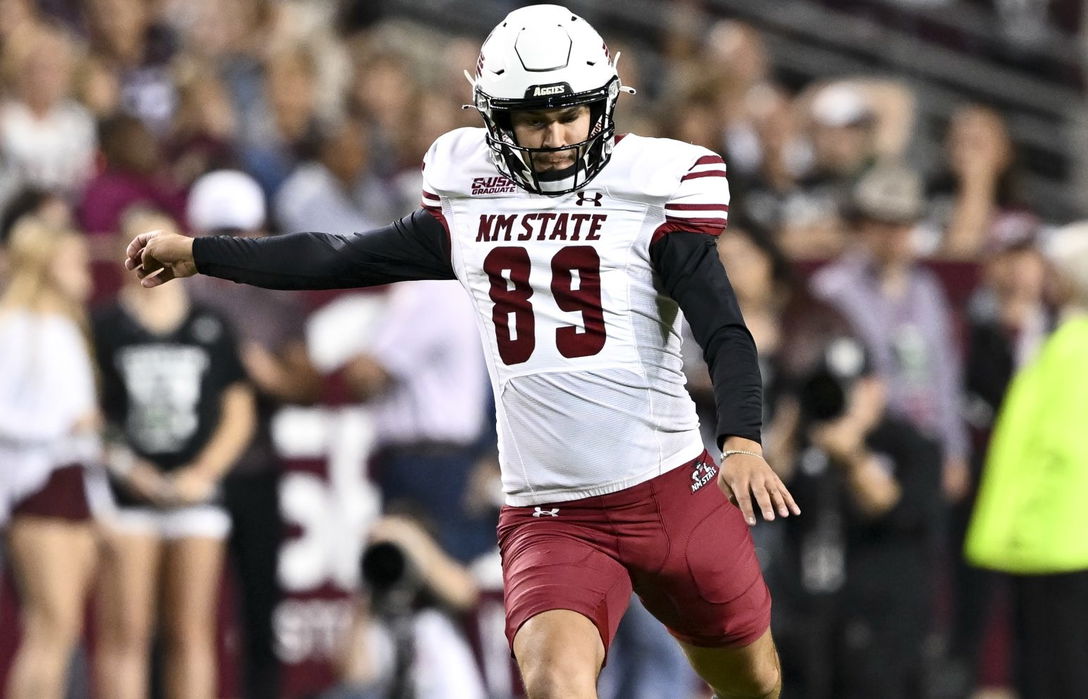
Years after basketball players moved away from tight short shorts once popular in the NBA, college football players are now taking the concept to an extreme. They’re pushing the boundaries of what is allowed, often disregarding the rules set by the NCAA. This trend began with kickers and punters who sought to move their knee pads above their knees or even eliminate them entirely. However, it has since spread to players at every position on the field.
The issue gained significant attention earlier this season when Oklahoma kicker Tate Sandell captured national attention with his extremely short football pants. His style highlighted just how far players are willing to go to showcase their legs while ignoring the rules.
Rule Enforcement and the “Fashion Police” Dilemma
Enforcement of the rule regarding knee pads has been a long-standing challenge. Officials often avoid being seen as “fashion police,” and conference coordinators encourage them not to intervene. As a former college football official, I can attest to the pressure to avoid calling out players for violating the rules. Conference heads may tell coaches they want the knees covered, but many coaches choose to ignore these guidelines.
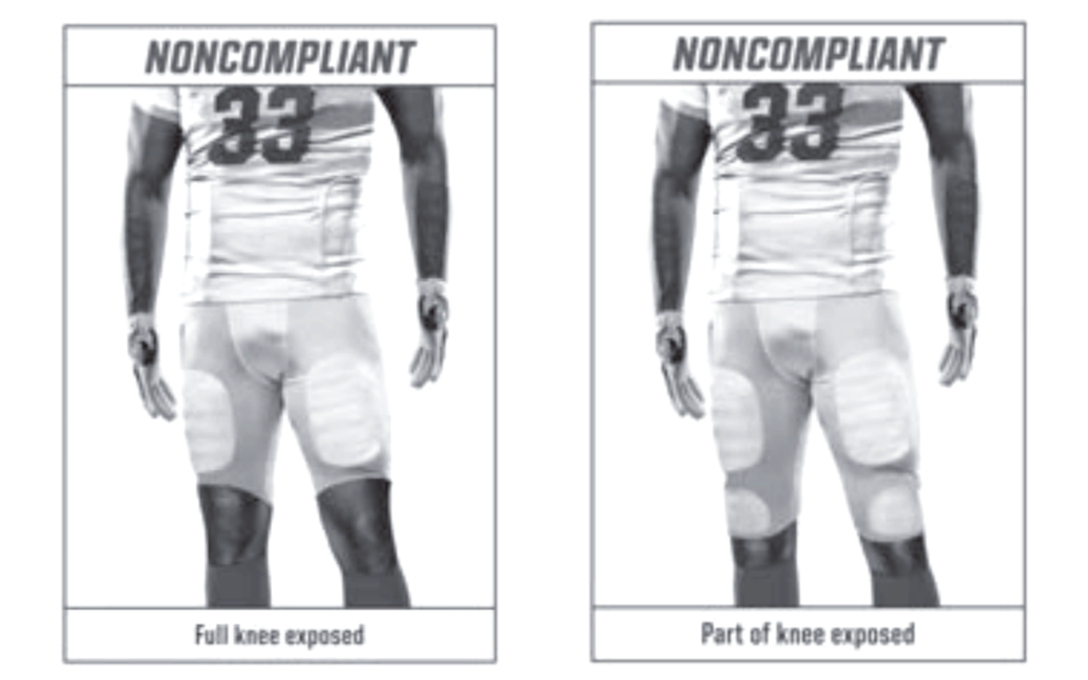
The core of the issue lies in the lack of a yardage penalty for breaking the rule. According to Rule 1.4.4d of the 2025 NCAA Football Rules Book:
“Knee Pads: Knee pads must be covered by pants. Furthermore, the pants and knee pads must cover the knees. No pads or protective equipment may be worn outside the pants.”
This rule has been in place for years, and diagrams clearly show that the shorts being worn today are unquestionably illegal. However, the penalty for violating this rule is minimal—zero yards. Officials are instructed to send the player back to the sideline to fix the issue. If it happens twice to the same team, they start charging timeouts until a team has no more left, and then it’s a 5-yard delay of game penalty.
The Safety Concerns of Wearing Short Shorts
Despite the trend, the importance of knee pads in football cannot be overstated. From Orthopedic Specialists of North Carolina:
“Knee injuries are among the most common traumatic football injuries. Knee pads, thus, are essential in the prevention of such injuries as anterior cruciate ligament (ACL) tears, posterior cruciate ligament (PCL) tears, and injuries to the meniscus cartilage.”
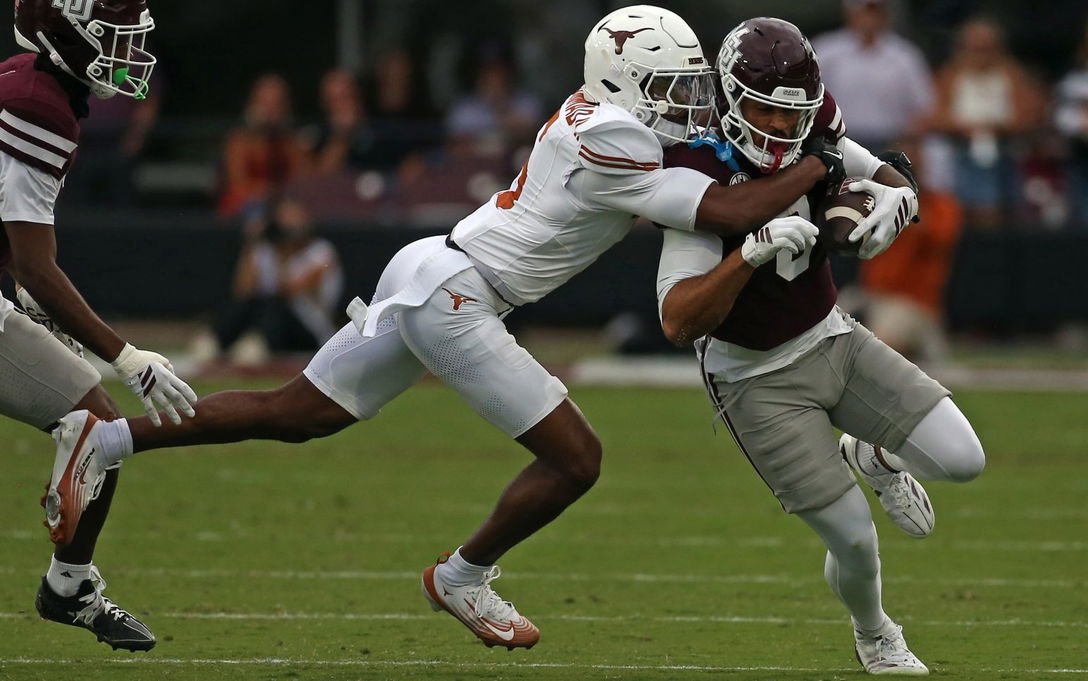
Knee pads are not only important for the player wearing them but also for those who might be hit by a bare knee. A blow to a player’s shin or forearm by a bare knee can cause real damage. Coaches who allow players to play without covering their knees with pads and longer pants are putting the health of their own players and opponents at risk.
The Trend Continues in Bowl Games and Playoffs
This trend is not new, but it has reached a new level this year. Players who routinely get tackled, such as tight ends and wide receivers, have abandoned knee pads for the short shorts. Some players have even used tricks like wearing leggings under their pants to make it look like their knees are covered.
Here are some of the players to be featured in the upcoming bowls and playoffs who embrace the short shorts trend:
-
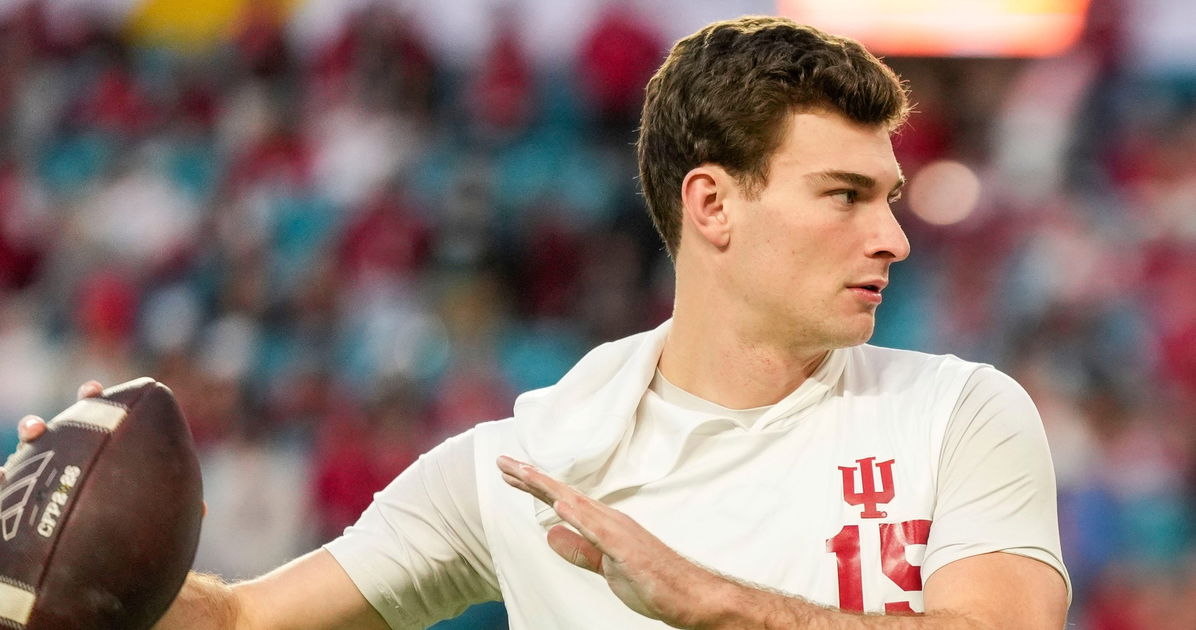
Fernando Mendoza, Indiana Hoosiers
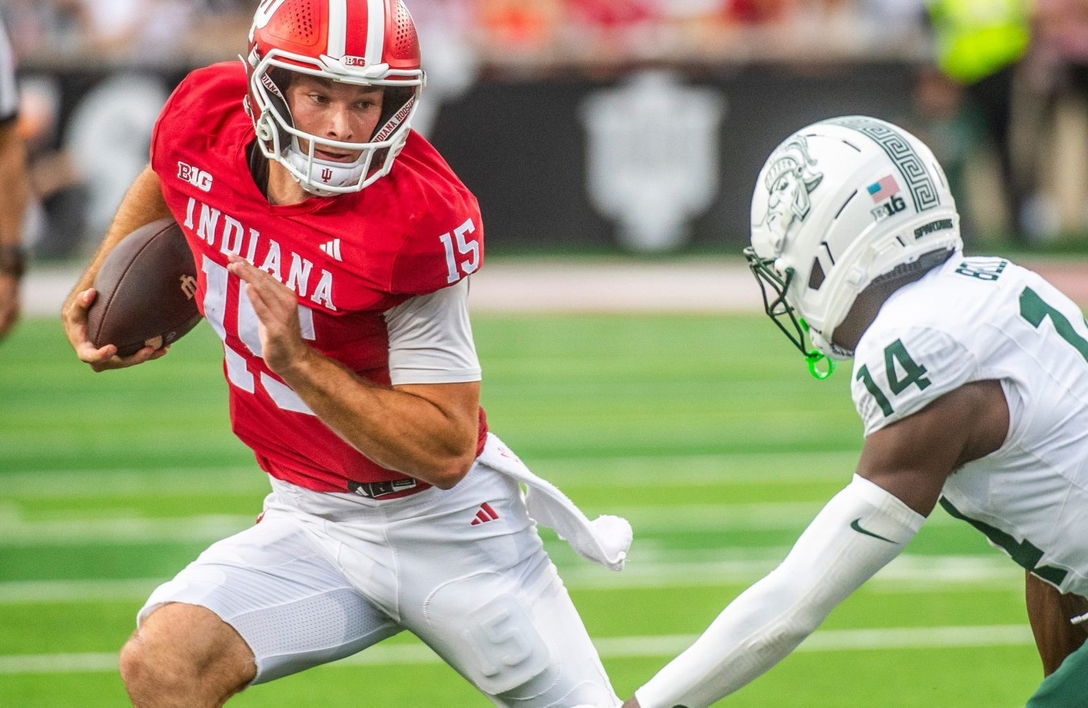
-
Josh Cuevas, Alabama Crimson Tide
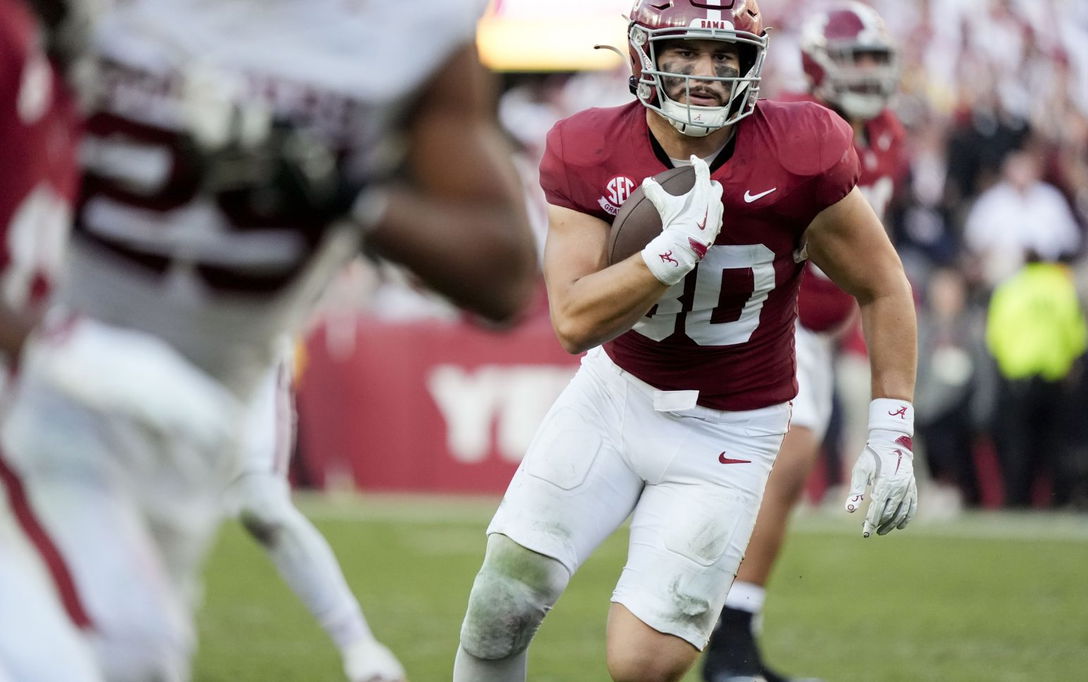
-
Justin Holmes, Pittsburgh Panthers
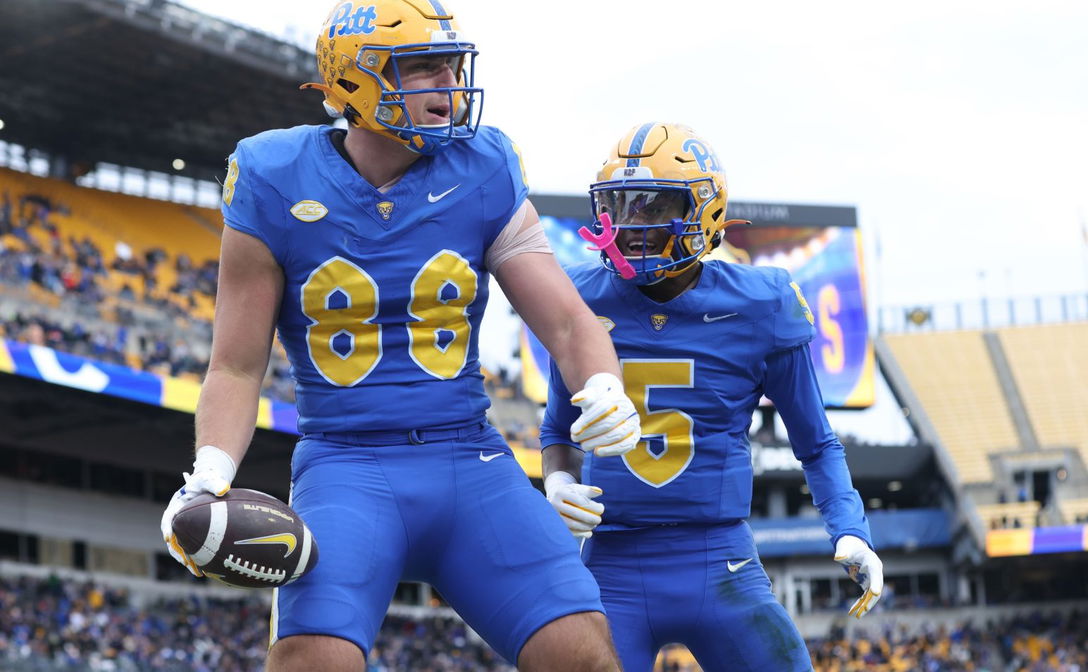
-
Kenyon Sadiq, Oregon Ducks
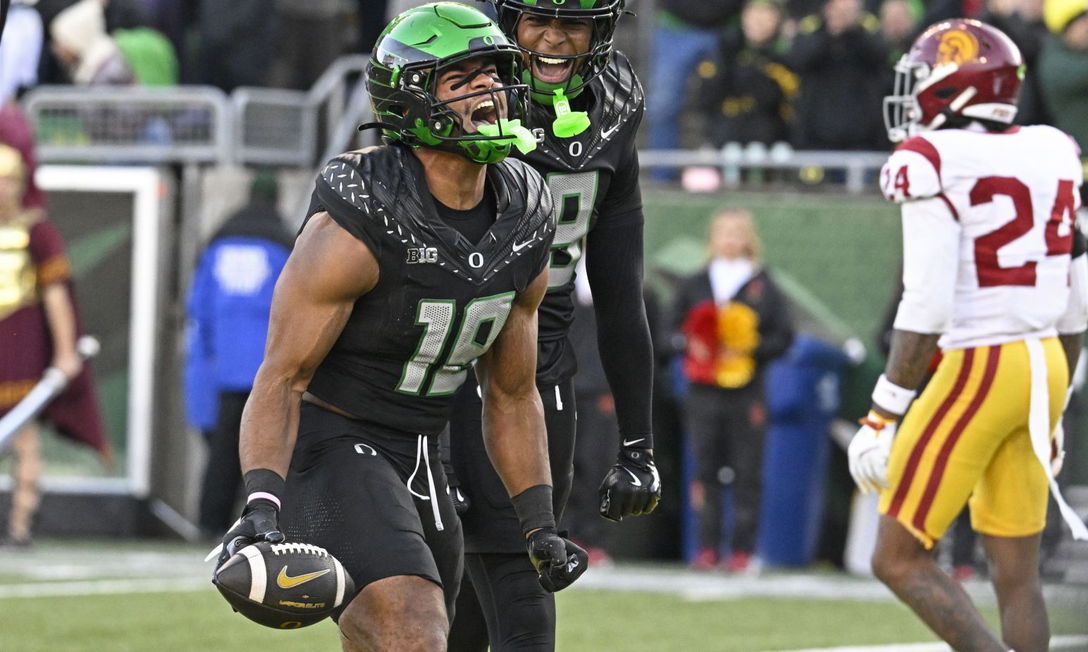
-
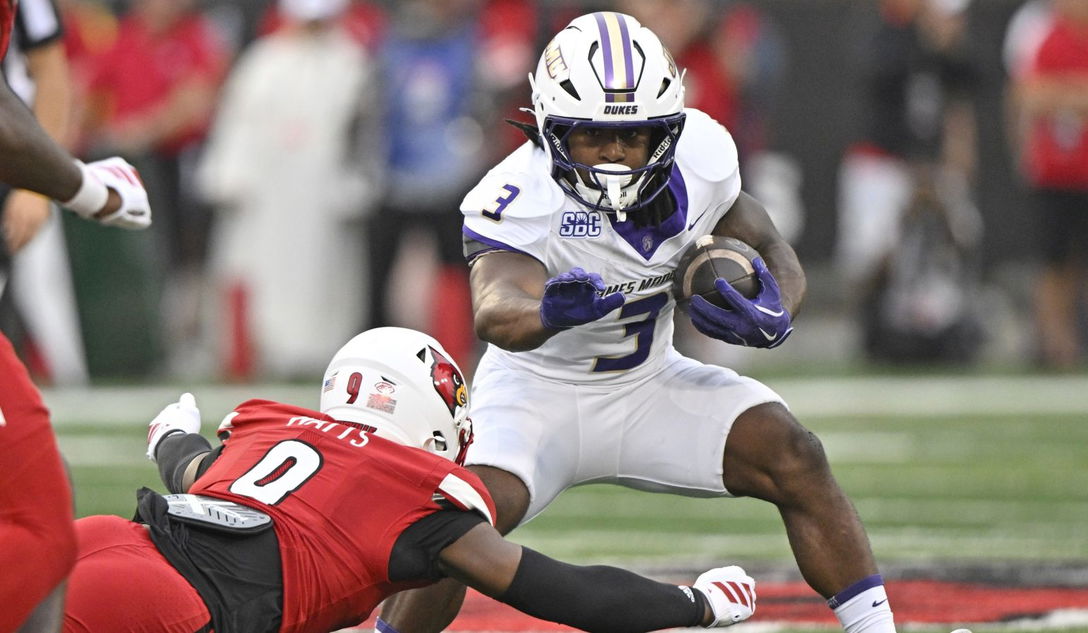
Wayne Knight, James Madison Dukes
-
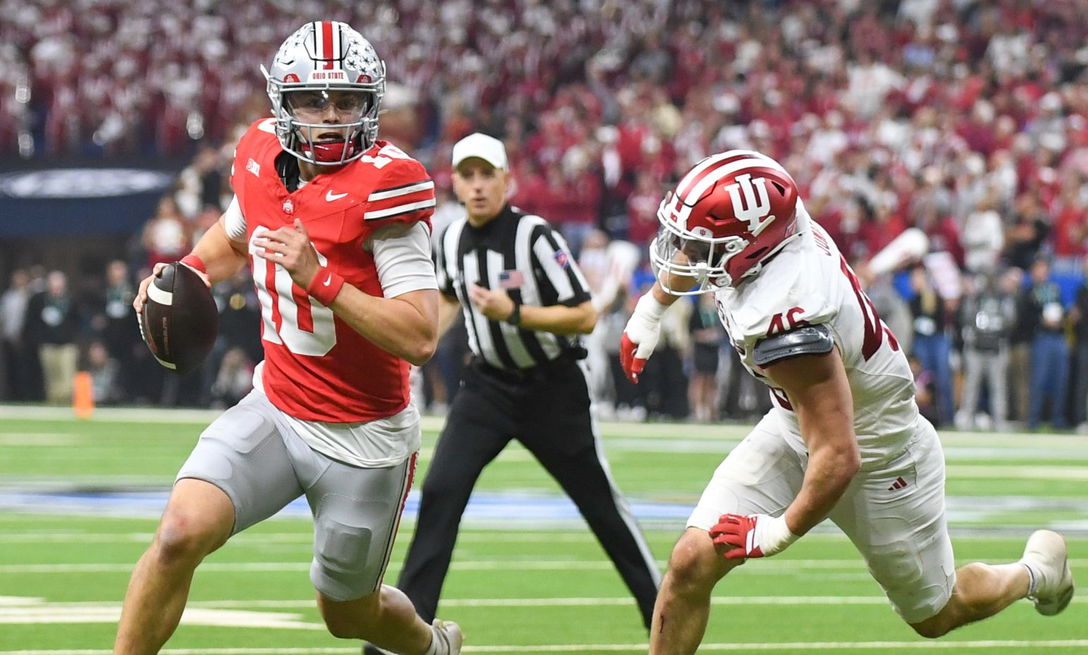
Julian Sayin, Ohio State Buckeyes & Isaiah Jones, Indiana Hoosiers
There are so many more players who could be chronicled, and fans will have to watch the bowl games and playoffs to see for themselves.