


Mets Rumors: Bellinger Target, Baty’s New Role Ahead
 January 17, 2026

The New York Mets made a significant move by signing Bo Bichette for $126 million on Friday. Despite this major investment, the team is still very much in the running for Cody Bellinger. The arrival of Bichette will require Brett Baty to shift positions, which could enhance his versatility and keep his bat in the lineup. Let’s explore the latest developments.
Bo Bichette Signing Won’t Stop Mets from Trying to Bring in Bellinger
The Mets’ pursuit of Kyle Tucker may have ended with Tucker choosing the Dodgers’ $240 million deal, but it actually helped clarify their offseason strategy. Their final $220 million offer showed how serious they were about acquiring talent. Instead of being discouraged by the loss, the Mets quickly pivoted to Bo Bichette, securing a three-year, $126 million deal that gave them a high-end bat without long-term risk. However, this wasn’t seen as a closing move. Reports soon emerged that the Mets are still actively pursuing top-tier players, particularly Cody Bellinger.
Bellinger’s versatility and power make him a perfect fit for the Mets’ outfield, especially with Juan Soto at the forefront. The Yankees remain strong favorites to retain Bellinger, but the Mets’ recent actions suggest they are not hesitating. Missing out on Tucker didn’t slow them down—it sharpened their focus.
The Mets Have a Big Position Change Planned for Brett Baty
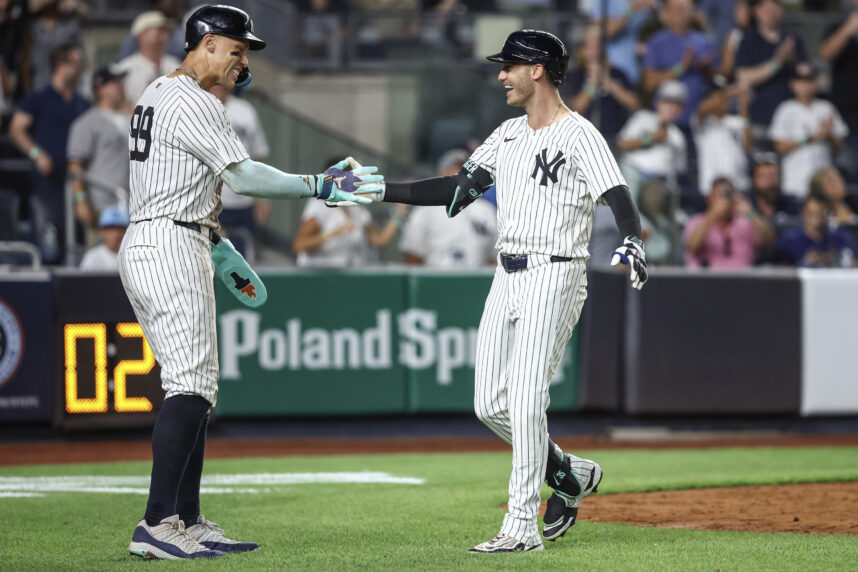
Bichette’s arrival has triggered a ripple effect across the roster. His presence pushes Baty off third base, leading the organization to plan a multi-position role for Baty, including time in left field. This isn’t viewed as a demotion, but rather an opportunity to expand Baty’s value.
Bichette’s offensive production makes the positional shift necessary. Coming off a .311/.357/.483 season, he brings elite contact skills and consistent performance. While his defense at shortstop had declined, moving him to third base allows the Mets to maximize his offensive impact while minimizing defensive risk.
For Baty, the transition is a test—but not a dismissal. Strong underlying metrics suggest there’s more potential in his bat, and the Mets believe added versatility could turn him into a Jeff McNeil-type player. If successful, Baty stays. If not, his trade value only increases.
Breaking Down Exactly How the Mets’ Brand New Infield Could Be Elite
The Mets entering 2026 look vastly different from the team that finished the previous season. With Pete Alonso, Brandon Nimmo, and Jeff McNeil gone, David Stearns has reshaped the roster around contact hitting, defensive stability, and veteran presence. The result is an infield that trades nostalgia for flexibility and balance.
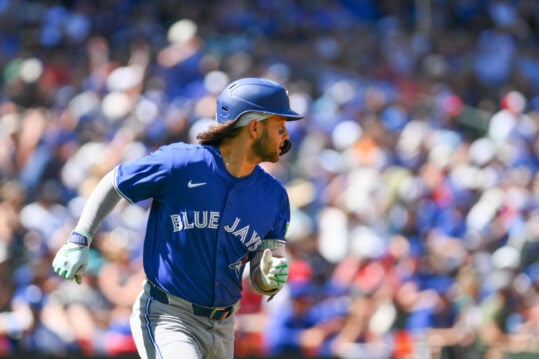
Bichette is the centerpiece of this transformation. Slotted in at third base, he brings elite bat-to-ball skills while avoiding the defensive exposure that plagued him at shortstop. Francisco Lindor remains a constant—both an elite defender and a dynamic offensive force—while Marcus Semien adds leadership and high-end glove work at second, even as his bat declines.
First base becomes a shared responsibility between Jorge Polanco and Mark Vientos, a pairing designed to replace Alonso’s production collectively rather than individually. Defense may be imperfect at the corners, but the Mets are betting that a deeper, more versatile lineup—anchored by strong defense up the middle—can carry them into October with a different, but potentially more sustainable, identity.
Want to see more exclusive sports content like this? Follow Empire Sports Media on MSN.