


Joe Burrow Defends NFL Playoffs Calls: ‘It’s Not the Officials’
 January 20, 2026
Joe Burrow’s Take on Controversial NFL Playoff Plays
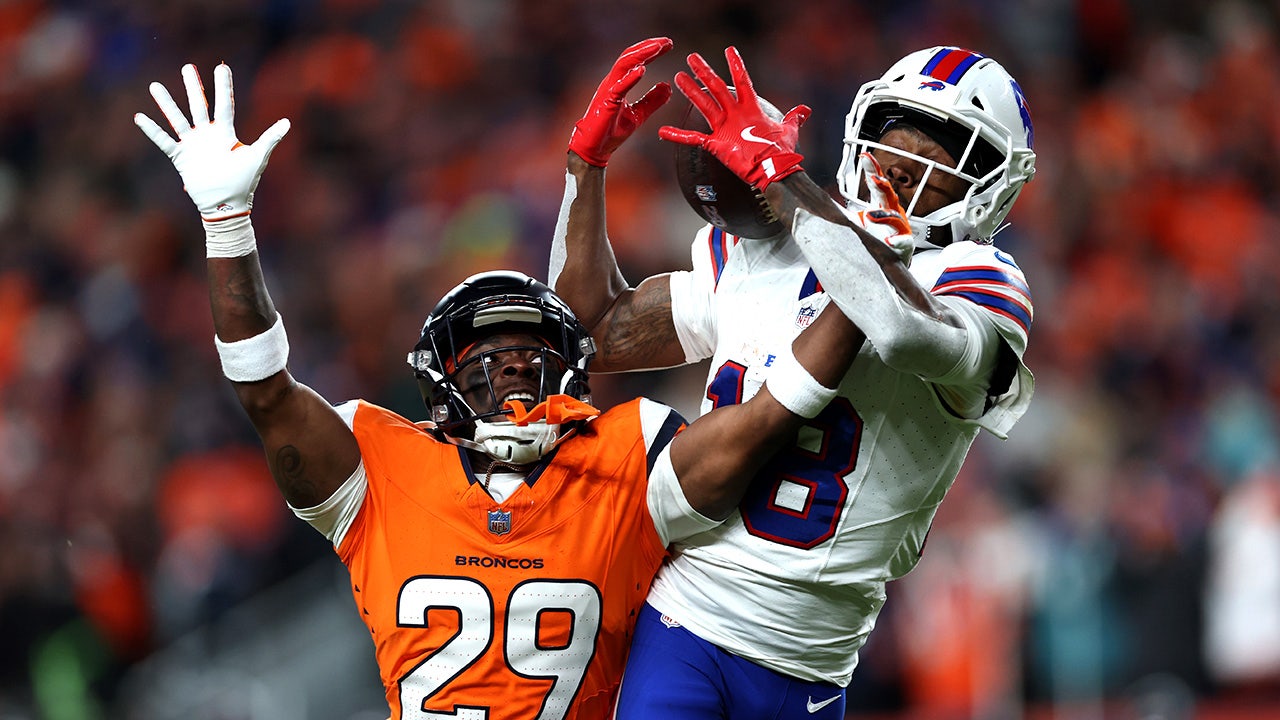
Cincinnati Bengals star quarterback Joe Burrow may not be in the playoffs this year, but he’s still making his voice heard on some of the most controversial plays in the postseason. The catch-versus-no-catch debate involving Buffalo Bills wide receiver Brandin Cooks is still being discussed after the team’s Divisional Round loss to the Denver Broncos on Saturday night.
While many have given their take on the controversial play, the two remaining Divisional Round games on Sunday also had some debatable calls on catches. Burrow appeared to be on the side of the officials in all cases.
“The amount of ppl that don’t understand what a catch is in the rule book flabbergasts me. And it’s not the officials,” Burrow wrote on X. “The two plays yesterday were not difficult calls, and they got them both right.”
The Controversial Play Involving Brandin Cooks
The play involving Cooks continues to be a pain point for football fans, let alone the city of Buffalo. If ruled a catch, Matt Prater might have walked it off with a field goal, and the Bills would be on to New England. Instead, the play was ruled an interception by the Broncos, who eventually won the game and moved on to the AFC Championship Game.
As for the two plays Burrow references in his tweet, it’s unknown exactly what he’s talking about, but there was one play from each game on Sunday where debate ensued.
Other Controversial Calls
First, Houston Texans wide receiver Xavier Hutchinson fumbled, but the play was considered a catch after officials reviewed. Then, Los Angeles Rams star Davante Adams had a similar situation happen when his knee hit the turf, but he fumbled.
In both cases, the offense maintained control of the ball, though there were some who believed the Cooks play should’ve seen the same result.
NFL Rules Analyst Weighs In
NFL rules analyst Walt Anderson weighed in on the interception for the Broncos, saying that Jaquan McMillan did indeed pull the ball away from Cooks, who he believes never had complete control of it.
“Replay has all of these angles to take a look and see ‘was the ruling on the field wrong, or was the ruling on the field correct?’” Anderson said on NFL Network. “If you can confirm that the ruling on the field is correct, they really want to move the game along, and they don’t want to have unnecessary stoppages.”
Sean McDermott’s Reaction
Sean McDermott, who has since been fired from his role as Bills head coach, was irate over the process of how the call was confirmed. He wanted officials to take a long look at the play, leading to his timeout call.
“It would seem logical to me… that the head official would walk over and want to go and take a look at it, just to make sure that everybody from here who is in the stadium to there are on the same page. That’s too big of a play, in my estimation, and a play that decided the game potentially as well, to not even slow it down,” McDermott said.
“It’s hard for me to understand why it was ruled the way it was ruled. If it is ruled that way, then why wasn’t it slowed down just to make sure that we have this right? That would have made a lot of sense to me, to make sure that we have this thing right. Because that’s a pivotal play in the game. We have the ball at the 20, maybe kicking a game-winning field goal right there. So I’ll just leave it at that.”
The Impact of Controversial Calls
These types of calls can have a significant impact on the outcome of a game, especially in high-stakes situations like the playoffs. Fans and coaches alike are often left questioning the decisions made by officials, particularly when the call could change the course of a game.
The discussion around these plays highlights the importance of clear and consistent application of the rules. It also underscores the need for officials to take the time necessary to ensure that critical calls are made correctly, even if it means slowing down the game.
