


Five Brewers Among MLB Pipeline’s Top 100 Prospects
 January 25, 2026
Overview of the Brewers’ Prospects in Preseason Rankings
The annual preseason rankings by MLB Pipeline have been released, and five Milwaukee Brewers prospects made the cut. These players were also included in Baseball America’s Top 100 prospects, but there are notable differences in how each list ranks them. This article explores why these discrepancies exist and what they mean for the future of these young talents.
Jesus Made: A Top Prospect with Slight Differences in Perception
Jesus Made is ranked as the third-best prospect by MLB Pipeline, while Baseball America placed him fourth. His status as one of the top prospects in baseball is widely recognized. The difference between Made and other shortstop prospects like JJ Wetherholt, Kevin McGonigle, and Leo DeVries is minimal. All of these players are seen as having superstar potential and have performed well in the minors so far.
One reason Pipeline might have ranked Made higher than Wetherholt could be due to his likelihood to stick at shortstop, a position often considered “premium.” Wetherholt may move to second or third base early in his career because he isn’t as strong defensively as the Cardinals’ current shortstop, Masyn Winn. Meanwhile, Cooper Pratt, another Brewers shortstop prospect, is still developing, and Joey Ortiz, the team’s current shortstop, has shown defensive prowess but lacks offensive production.
Luis Peña: A Rising Star with Room for Growth
Luis Peña was ranked over 20 positions higher by MLB Pipeline compared to Baseball America. While his offensive stats dipped after being promoted to High-A, Pipeline sees potential in his ability to adjust to higher-level pitching. Peña’s defense is still a concern, though. He has good speed and range for his size, but his throws can be inconsistent.
Peña is very young (turning 19 in November) and is still developing, which means there’s a lot of projection involved in predicting his future. Despite this, he has the tools to become a top 10 prospect someday, which explains his high ranking on the Pipeline list.
Jett Williams vs. Cooper Pratt: Differing Perspectives
Jett Williams and Cooper Pratt both made the list, but their rankings differ between the two publications. Williams is ranked 51st by Pipeline, while Pratt is 64th. On Baseball America’s list, the reverse is true.
Pratt is a better defender and has more overall upside if his bat develops, but it’s not guaranteed. Williams had a stronger offensive season last year and is known for his speed and versatility. He played multiple positions in the minors and is seen as a good fit for the Brewers’ preference for fast, athletic players.
While the emphasis on “short” players seems unusual, it’s more about athleticism and defensive capability than height. The Brewers value players who can get on base and play up the middle, regardless of their size.
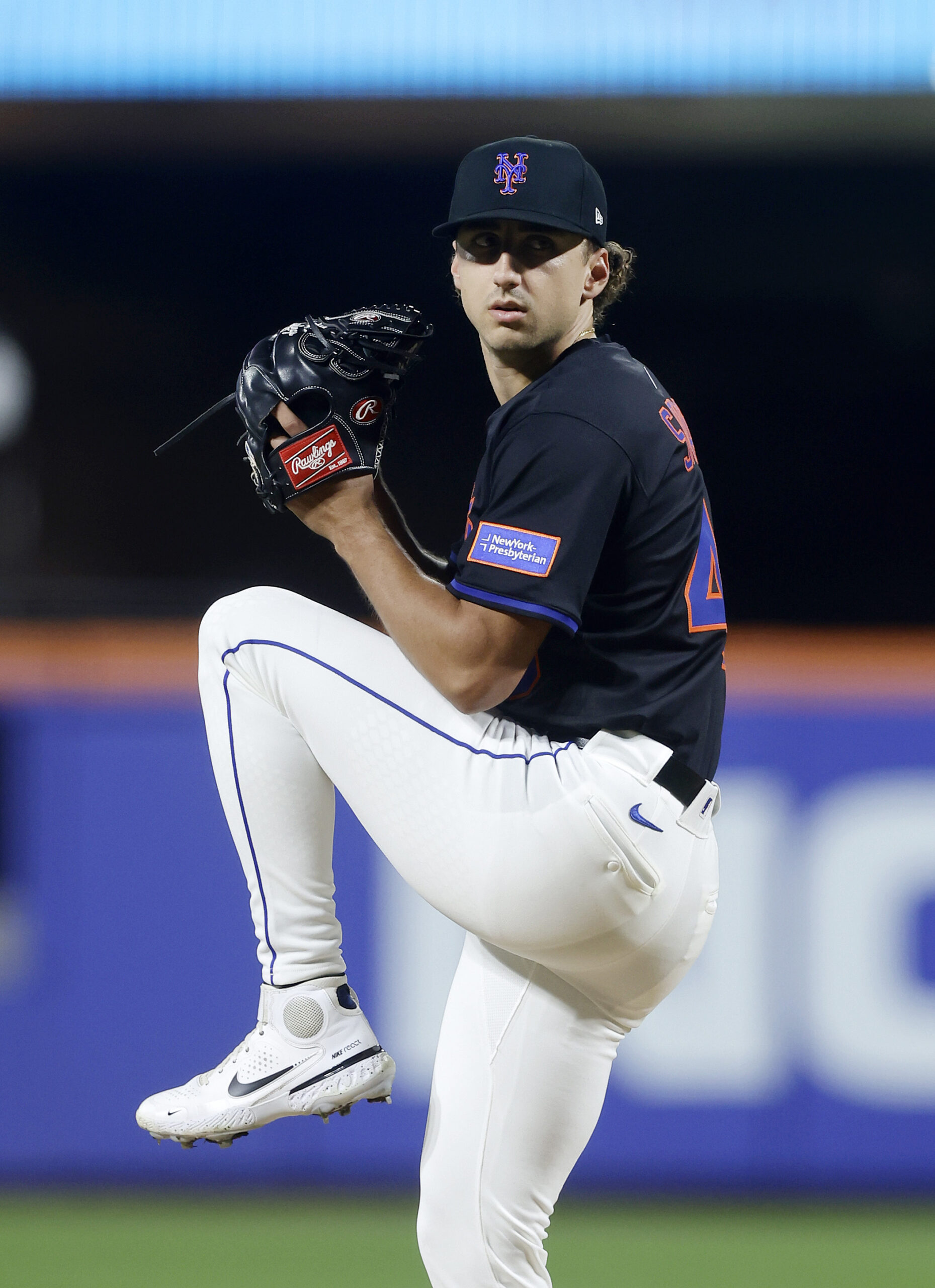
Brandon Sproat: A Pitching Lab Candidate
Brandon Sproat is ranked 100th by MLB Pipeline, despite having great stuff, including a 60-grade slider and a 55-grade curveball and changeup. His low ranking is due to an underwhelming Triple-A season and poor performance in September with the Mets. At 25, he will be 26 by next year’s playoffs.
Sproat’s acquisition reminds some of Quinn Priester, another highly-drafted prospect who struggled initially but found success later. If any team can unlock Sproat’s potential, it’s the Brewers.
Conclusion
The differences in rankings between MLB Pipeline and Baseball America highlight varying perspectives on player potential and development. Each publication has its own criteria, which can lead to different evaluations of the same prospects. For the Brewers, these rankings provide insight into where their young talent stands and what to expect in the coming seasons. As more analysis becomes available, further understanding of these prospects’ futures will emerge.