


Draymond Green: NBA System Hinders Player Wealth
 January 20, 2026
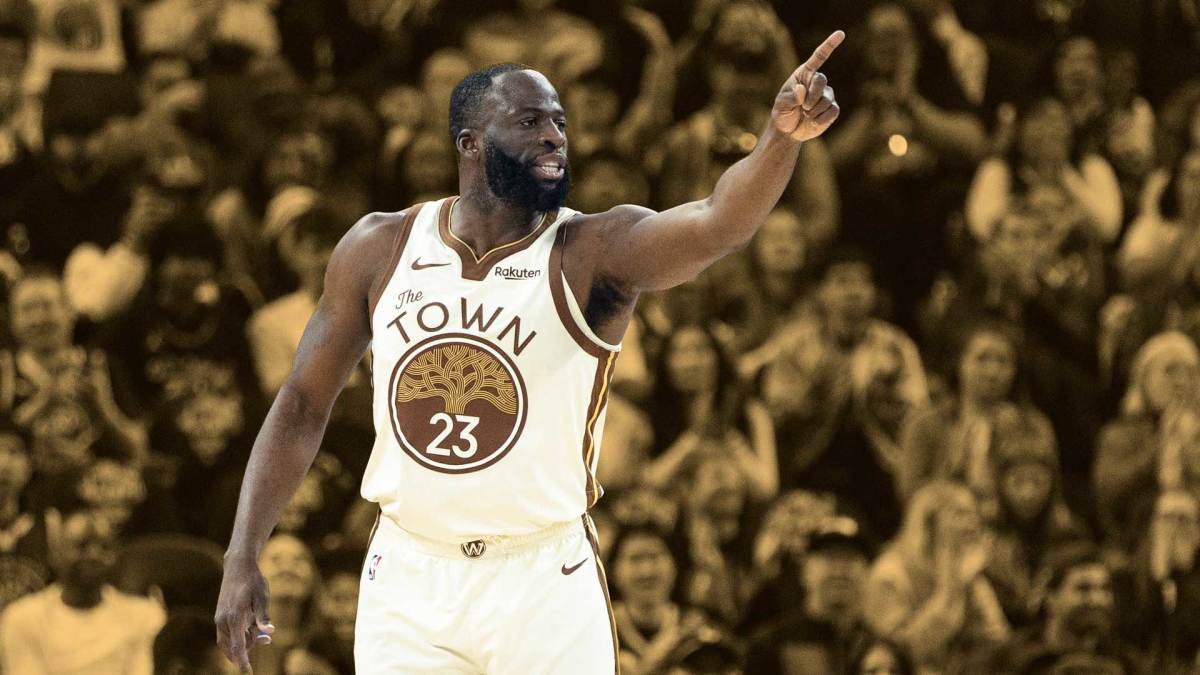
Draymond Green’s Financial Struggles and Criticisms of the NBA
Draymond Green has always been known for his bold personality, both on and off the court. As a key player for the Golden State Warriors, he brings an unmatched level of energy and intensity to the game. His willingness to speak his mind has made him one of the most recognizable and vocal figures in the NBA. However, this same intensity has also led to some financial challenges that have sparked public debate.
Green has built a substantial career, with earnings totaling around $230 million. This wealth has allowed him to expand into various business ventures, including investments and endorsements, which have helped increase his net worth to approximately $90 million. Despite this success, Green has faced criticism for his spending habits and the way he handles fines related to his behavior during games.
The Cost of On-Court Behavior
One of the main issues Green has faced is the accumulation of fines due to his actions on the court. Over the course of his career, he has been fined over $4 million, which represents less than two percent of his total earnings. While this amount may seem significant to the average person, it’s a small fraction of what he has earned throughout his professional basketball career.
Green has publicly expressed frustration with the NBA’s fine system, arguing that it doesn’t align with the effort players put into building their wealth. He has criticized the league for not providing better support or understanding for players who face these penalties.
“The fines to me don’t make sense,” Green said. “When you talk about, as hard as we work to accumulate wealth, coming from situations that most people never make it out of, and then you get fined the way that we get fined? It’s actually not set up for us to be wealthy after we’re done playing.“
The Debate Over Financial Structures
Green’s comments have sparked a broader conversation about how the NBA structures its financial policies. While the league generates massive revenue through contracts, endorsements, and broadcasting deals, players often face high fines for on-court infractions. These fines can range from a few thousand dollars to much higher amounts, depending on the severity of the offense.
He also took issue with the tax system, arguing that the way players are taxed is unfair. “This job is not set up the way we’re taxed,” he said. “The way we’re fined. You know, you hear about all of these programs, like this program this, this program, that s–t is to cover everybody else. This program is to teach this guy this.“
However, many argue that the fines Green faces are relatively minor compared to the overall income he has earned. Additionally, the U.S. tax system is progressive, meaning that higher earners pay a larger percentage in taxes. Despite this, the remaining income for top athletes is still substantial.
Addressing the Root of the Problem
While Green’s concerns are valid, they also highlight a larger issue: the need for players to manage their behavior more carefully. Fines are a direct consequence of actions taken on the court, and if players want to avoid them, they must take responsibility for their conduct.
Green’s temper and interactions with referees and opponents have often led to costly penalties. If he can focus on controlling his emotions and improving his interactions with officials, he could potentially reduce the number of fines he incurs.
Conclusion
Draymond Green’s journey highlights the complexities of life in the NBA, where financial success is often accompanied by personal and behavioral challenges. While his criticisms of the league’s fine and tax systems are thought-provoking, they also underscore the importance of self-discipline and accountability for players. As the NBA continues to evolve, it will be interesting to see how these discussions shape future policies and player behavior.