Coaching changes highlight Kalani Sitake’s program strength
 January 4, 2026
The Cost of Success in College Football
Winning in college football is often seen as the ultimate goal, but it comes with its own set of challenges. For teams that consistently perform at a high level, the pressure to maintain that success can lead to significant changes within the coaching staff. This is particularly true for programs like BYU, where the recent 12-2 season has resulted in the departure of key assistants.
Key Coaching Changes
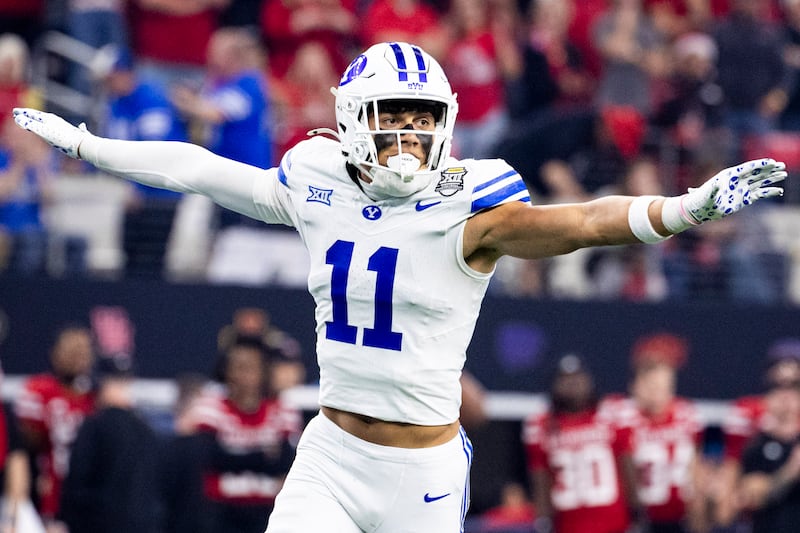
Defensive coordinator Jay Hill and cornerbacks coach Jernaro Gilford have played crucial roles in transforming BYU into a national contender. Over the past two seasons, Hill’s defense has been one of the most consistent in the country, allowing less than 20 points per game. Meanwhile, Gilford’s cornerbacks have contributed significantly to the team’s success, recording a staggering 39 interceptions.
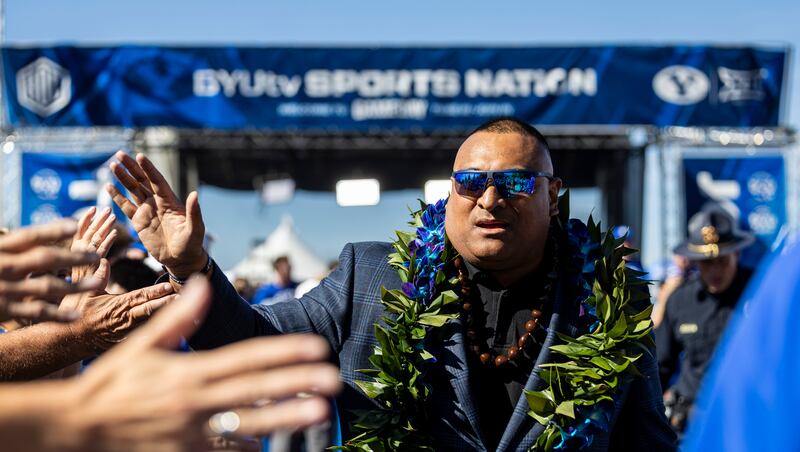
Their decision to leave for other opportunities highlights the competitive nature of college football. Both coaches are looking to advance their careers and eventually become head coaches at the Division I level. Their departures were not made lightly, but they reflect the new reality under head coach Kalani Sitake.
New Opportunities for Coaches
One of the most notable moves has been the hiring of Kyle Whittingham as the new head coach at Michigan. Whittingham, who previously led Utah, has a strong track record and is known for his ability to build successful programs. His decision to take Hill and Gilford with him is a strategic move, as both coaches bring valuable experience and expertise.
Michigan’s recent performance has been impressive, with a 17-9 record over the same period. However, the program also faced challenges, including an off-the-field scandal that affected the team’s reputation. Whittingham’s arrival brings a sense of stability and direction, and the financial backing from the university shows a commitment to his vision.
The Impact on BYU
BYU’s success is not accidental. The program’s rise to prominence is the result of high-level coaching, effective recruitment, and strong support from boosters. Under Sitake’s leadership, the team has gone from a 5-7 season in 2023 to 11-2 in 2024 and 12-2 in 2025. This growth has attracted attention from other programs, leading to increased competition for talent and coaching staff.
The departures of Hill and Gilford are a testament to the program’s success. As other schools seek to replicate BYU’s achievements, the Cougars must find ways to retain their top talent and continue building a strong foundation.
Retention and Recruitment
Despite the losses, BYU remains confident in its ability to weather the changes. The program has already seen several key players recommit, including Faletau Satuala, Tre Alexander, Raider Damuni, Siale Esera, and Keanu Tanuvasa. These returns indicate that the team is still attractive to athletes, even with the coaching changes.
The transfer portal remains open, and while there is always a risk of losing impact players, the current situation seems stable. Sitake’s leadership and the program’s culture will be critical in maintaining this momentum.
The Future of BYU Football
As the Cougars prepare for the next phase of their journey, the focus will be on rebuilding the coaching staff and ensuring continued success. Sitake’s role as the anchor of the program will be more important than ever. With the right hires and a strong team, BYU can continue to thrive and remain a top-tier program in college football.
For now, the Cougars are embracing the challenges that come with success. While they may lose some key personnel, they are also gaining new opportunities and the chance to grow stronger in the process.