


Clemson Seeks Control with Chad Morris Hire, Not Nostalgia
 January 3, 2026
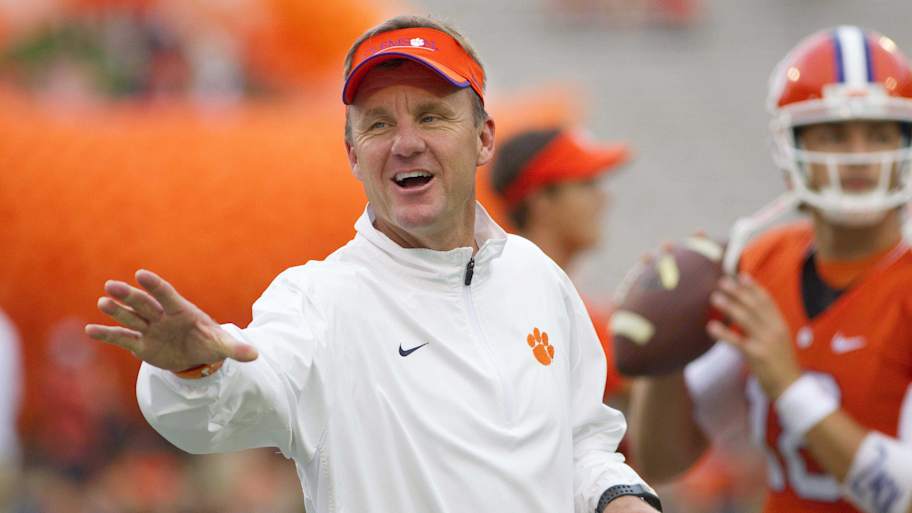
A Strategic Move for Control and Clarity
Clemson’s decision to bring back Chad Morris was not a nostalgic gesture. It was a calculated step aimed at regaining control over the team’s tempo, identity, and overall performance. For years, Clemson had been the dominant force in college football, dictating the pace of games and setting the standard for excellence. However, in recent seasons, the program found itself reacting rather than leading. The offense struggled to find its footing while the sport evolved rapidly around it. This hiring signals a shift — Clemson is no longer willing to experiment with uncertainty.
Morris brings a level of decisiveness that the program has been missing. His offensive strategies were always clear, aggressive, and well-executed. Fans and opponents alike knew exactly what to expect from Clemson under his guidance. This clarity is something that has been lacking in recent years, and it’s a key reason why this move is both safe and bold.
The Safety and Boldness of the Hire
The safety of the hire comes from the fact that head coach Dabo Swinney knows exactly what he’s getting. He worked closely with Morris during his first tenure, and he trusts his ability to lead the offense. However, this move is also bold because it invites scrutiny. If the plan works, Clemson will look like a program that has rediscovered its identity. But if it doesn’t, the criticism could be louder than ever.
This decision isn’t about going backward. It’s about reclaiming the elements that once made Clemson a dangerous and feared team — clarity, confidence, and conviction. In today’s fast-paced college football landscape, that might be the boldest move of all.
Revisiting the Offensive Peak Under Chad Morris
Numbers don’t tell the whole story in college football, but they do reveal patterns. When looking back at Clemson’s most successful offensive era, the impact of Chad Morris is unmistakable. During his first stint as offensive coordinator from 2011 to 2014, Clemson transformed into a nationally recognized offensive powerhouse.
Over those four seasons, the Tigers averaged more than 40 points per game twice and never fell below 34. They consistently ranked among the top 15 in scoring offense, a dramatic improvement from their earlier struggles. Quarterback play saw a significant boost, with passers combining for impressive touchdown totals and efficiency stats that raised the bar for the program.
Wide receivers flourished in space, regularly achieving 1,000-yard seasons and stretching defenses in both horizontal and vertical directions. Explosive plays became the norm, not the exception. Tempo played a crucial role, with Clemson consistently ranking among the nation’s leaders in plays per game. This approach forced defensive depth to matter and turned late-game situations into advantages.
Red-Zone Efficiency and Winning Results
One of the most telling aspects of Morris’ tenure was the improvement in red-zone efficiency. Drives no longer stalled into field-goal attempts; they ended with touchdowns. This conversion rate became a key differentiator in ACC play and positioned Clemson as a team that punished mistakes.
The results during this period were impressive. Clemson won an ACC championship, reached major bowl games, and finished ranked in the final polls each season. Statistical growth directly translated into wins, proving that the offensive success wasn’t just about numbers — it was about winning.
The Foundation for Future Success
Context is important. The offensive surge under Morris helped elevate Clemson’s recruiting profile, attracting skill players who wanted to play fast and showcase their talents. The pipeline created during these years became the foundation for the championship teams that followed.
As Clemson turns back to Morris, the numbers don’t guarantee a repeat of past success. However, they do explain why the program believes the ceiling exists again. When Clemson last felt overwhelming offensively, the data supports it. This hiring is not about chasing nostalgia — it’s about chasing control.