


BCCI Ignores VHT Form: Pant’s ODI Role and Gaikwad’s Snub Remain a Mystery
 January 4, 2026
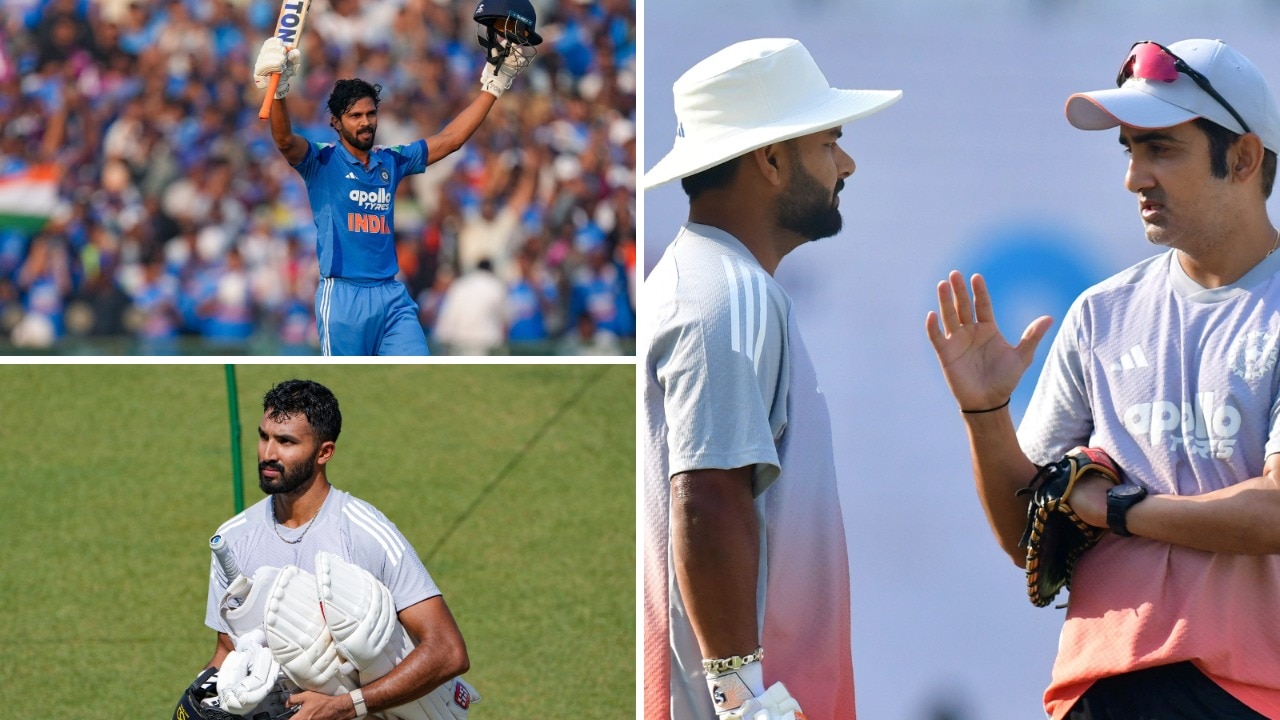
Unusual Selections Spark Debate
The Board of Control for Cricket in India (BCCI) continues to surprise fans and analysts alike with their selection strategies. The recent announcement of the squad for the ODI series against New Zealand has once again raised several questions, despite the team not undergoing significant changes on the surface.
The squad details released on Saturday, January 3, included three major changes. First, Shubman Gill returned as captain, while Shreyas Iyer took the role of vice-captain. Additionally, Mohammed Siraj made a comeback after missing the ODI series against South Africa. These inclusions led to the exclusion of Ruturaj Gaikwad, Tilak Varma, and Dhruv Jurel. While these changes may seem minor, the reasoning behind some decisions remains unclear.
Why Was Ruturaj Gaikwad Left Out?
Before the debate begins, it is understood that Ruturaj Gaikwad’s omission is linked to Shreyas Iyer’s return. However, Iyer’s inclusion is still conditional on passing fitness tests at the Centre of Excellence. If this is the case, why take the risk in the first place?
Even if Iyer is deemed fit enough to play, bringing him back into competitive cricket raises concerns. Any setback could affect India’s ODI plans and potentially jeopardize his participation in the Indian Premier League. From a long-term perspective, this is a risk India can ill afford.
Gaikwad may not be the first-choice No.4 when Iyer is fully fit, but this series could have offered him a valuable run in the middle order while allowing Iyer more recovery time. Gaikwad has been in good form, scoring a maiden century against South Africa in Raipur and continuing to score runs in the Vijay Hazare Trophy, including a century and a fifty in his last two games. Form, therefore, was hardly a concern.
In that context, risking a still-recovering Iyer while leaving out a batter who is scoring consistently feels like an unnecessary gamble.
Why Is Mohammed Siraj Back, But Not Mohammed Shami?
Mohammed Siraj’s return to the ODI setup is understandable, given his consistent performance in home conditions. His inclusion, on merit, is logical.
However, the continued absence of Mohammed Shami raises more questions than answers. If the 2027 ODI World Cup is the long-term target, Shami’s omission is difficult to justify. While Siraj’s numbers at home may be superior, Shami’s effectiveness across conditions worldwide sets him apart.
Shami has been playing domestic cricket regularly and has shown he is still capable of operating at a high level. His importance to India’s ODI success cannot be overstated. He was instrumental in India’s run to the final of the 2023 ODI World Cup and finished as the joint-highest wicket-taker for India during their triumphant Champions Trophy campaign.
To continue overlooking a bowler with that pedigree, especially when he is match-fit and active, remains one of the bigger selection mysteries.
What About Rishabh Pant?
Another major question revolves around Rishabh Pant’s role in the ODI side. The last time Pant featured in an ODI was in August 2024. Since then, he has not played a single match in the format. That gap inevitably leads to uncertainty about where he fits into the current setup.
It would be surprising if Pant is viewed as a like-for-like replacement for KL Rahul. While his wicketkeeping credentials are not in doubt, the batting equation is less straightforward. Pant’s ability to anchor an ODI innings, particularly in the middle overs, remains largely untested compared to Rahul.
If Pant is merely going to be a backup wicketkeeper and not get any game time, the logic behind his selection becomes questionable. Carrying a player without a clearly defined role puts the team in a vulnerable position, especially if an injury were to sideline Rahul mid-series. In that scenario, India would be forced into a high-risk adjustment rather than a seamless transition.
The Purpose of the Vijay Hazare Trophy
The Vijay Hazare Trophy exists to give selectors a clearer picture of India’s domestic talent pool. Yet, the latest squad selection suggests that its influence remains limited. Instead of rewarding form and exploring depth, the selectors have once again leaned heavily on familiar names.
If this was always going to be the approach, it raises a fundamental question: what purpose does the domestic tournament serve? Devdutt Padikkal has been in exceptional form, scoring four centuries in five List A matches. Dhruv Jurel and Sarfaraz Khan have also delivered solid performances throughout the competition. Despite that, none of them have earned even a spot on the bench.
Selection consistency is important, but so is accountability. Domestic performers need to see a pathway into the national side, otherwise the system risks becoming stagnant.
All of this once again brings the conversation back to a familiar point: does the BCCI genuinely value domestic performances across formats, or is it merely lip service? Until selections begin to reflect form as much as reputation, that question will continue to linger.