


Kelly: What Jeff Hafley Learned at BC Could Shape the Dolphins’ Future
 January 25, 2026
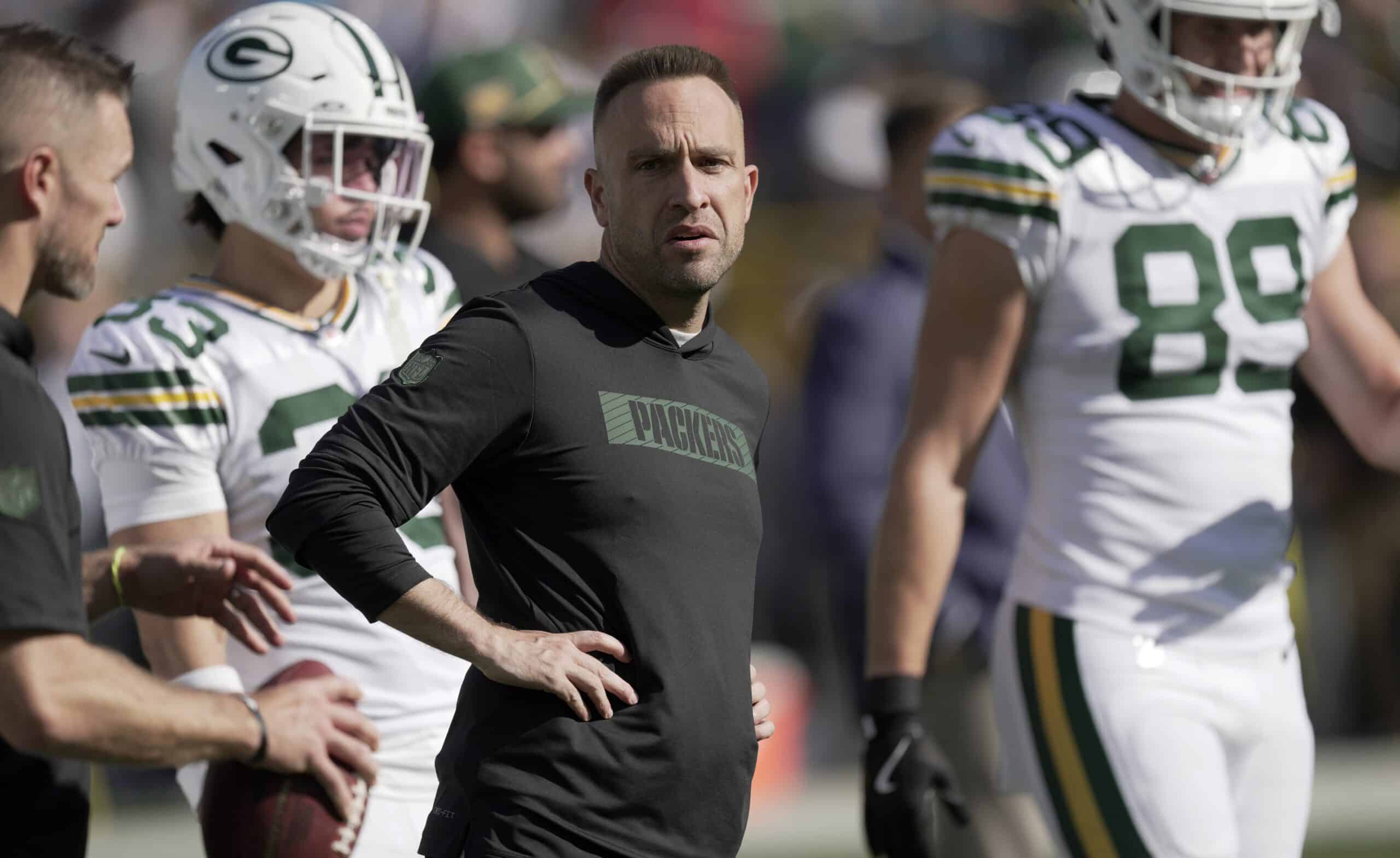
The Power of Failure and the Journey of Jeff Hafley
Failure is often seen as a negative, but history has shown that it can be a powerful catalyst for success. Many of the world’s most successful individuals have faced setbacks before achieving their goals. Steve Spielberg was rejected from film school three times before becoming one of the most celebrated filmmakers in history. The Wright brothers endured years of failed glider tests before achieving the first powered flight in 1903. Michael Jordan’s journey to becoming one of the greatest athletes of all time was shaped by his losses to the Boston Celtics and Detroit Pistons, which pushed him to work harder and evolve as a player.
Jeff Hafley, the newly appointed head coach of the Miami Dolphins, also experienced failure before finding his path. During his four-year tenure at Boston College, Hafley compiled a 22-26 record (12-22 in the Atlantic Coast Conference). While his college coaching career didn’t yield immediate success, it provided valuable lessons that would shape his future.
Hafley’s journey began in the NFL, where he spent seven seasons as an assistant coach before being named defensive coordinator at Ohio State in 2019. He then took on the head coaching role at Boston College in 2020. His transition to college football came with its own set of challenges, especially during the pandemic. “My first month on the job, COVID hits,” Hafley recalled. “So I had to learn that everybody’s got a plan until you get punched in the face.”
The unique pressures of the NIL era, along with the transfer portal, added another layer of complexity to his role. Hafley admitted that he spent more time fundraising, lobbying boosters, and recruiting players than he did game planning. “All of a sudden it wasn’t coaching anymore,” he said. “I didn’t like the person I was becoming, and I wasn’t doing the job I dreamt of.”
This realization led Hafley to return to the NFL, joining Matt LaFleur’s staff in Green Bay as a defensive coordinator. His efforts paid off in 2024, when the Packers’ defense ranked fifth in total yards allowed and sixth in points per game. Despite a late-season slump due to injuries, Hafley remained a strong candidate for head coaching positions in 2026.
Hafley interviewed for six openings and eventually accepted the Dolphins’ offer, becoming the team’s 12th head coach. While his past success in the NFL suggests potential, there are no guarantees of future success. First-time head coaches often struggle with the unknowns of the role, and Hafley is no exception.
However, Hafley’s experience leading a football team, making tough decisions, and managing egos gives him a unique advantage. “I had to be a CEO,” he said of his time at Boston College. “I’ll take a lot with that from there to me here.”
His journey has not been without mistakes, but Hafley acknowledges that these experiences have helped him grow. “I made mistakes as a young coach, which you’re gonna make, in a lot of different ways and I learned from them,” he said.
As he steps into his new role with the Dolphins, the question remains: will Hafley succeed? Only time will tell, but his willingness to learn from past failures and adapt to new challenges may give him a better chance than some of his predecessors.
Lessons from the Past
Hafley’s story is just one example of how failure can lead to growth. For many, the path to success is paved with setbacks, and the ability to persevere is what separates the truly great from the rest. In Hafley’s case, his time at Boston College, while not marked by wins, provided him with the skills and experience necessary to thrive in the NFL.
Geoff Schwartz, a former NFL offensive lineman and Sirius analyst, recently noted the unusual trajectory of Hafley’s career. “I have to wonder if other [college football] coaches see Hafley going from being a .500 coach at [Boston College] to Packers DC and three years later he’s the [head coach of] a NFL team,” he wrote on Twitter.
While this comment may not have been intended as criticism, it highlights the rarity of Hafley’s path. His journey shows that even those who start with modest results can rise to prominence if they are willing to learn, adapt, and keep pushing forward.
The Road Ahead
For the Miami Dolphins, Hafley’s appointment represents a new chapter. The franchise has struggled in recent years, and the hope is that Hafley’s experience and leadership will bring stability and success. However, the road ahead will not be easy.
The NFL is a highly competitive environment, and the pressure on head coaches is immense. Hafley’s ability to manage expectations, build a strong coaching staff, and develop players will be critical to his success. While he has already demonstrated resilience and adaptability, the true test will come in the coming seasons.
As Hafley takes on this new challenge, the lessons he learned from his past failures will be essential. “I have to wonder if other [college football] coaches see Hafley going from being a .500 coach at [Boston College] to Packers DC and three years later he’s the [head coach of] a NFL team,” Schwartz wrote.
Whether or not Hafley becomes a long-term success remains to be seen. But one thing is certain: his journey from failure to opportunity is a reminder that even the most unlikely paths can lead to greatness.