


Cubs’ Trade Offer for Skubal Forces Tigers’ Move After Arbitration
 January 26, 2026
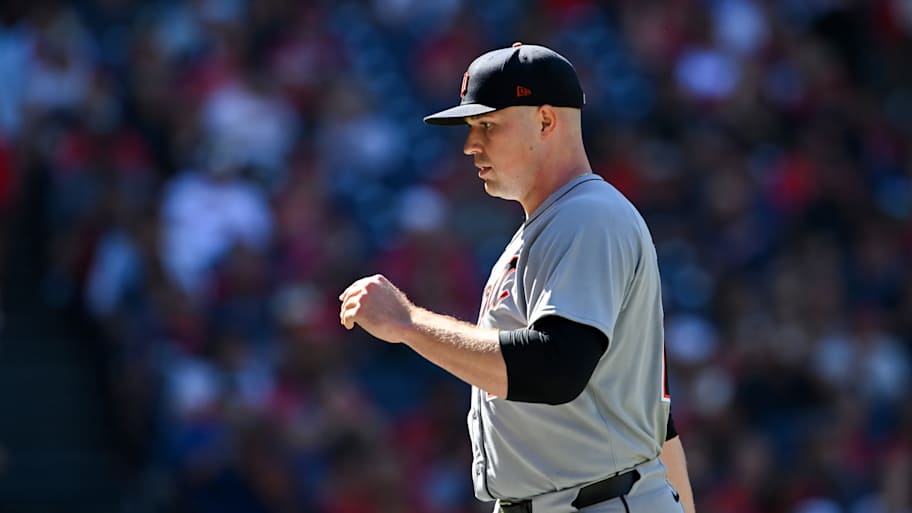
The Detroit Tigers and Tarik Skubal: A Complex Decision
The Detroit Tigers have essentially concluded the Tarik Skubal era by maintaining their $19 million arbitration offer. Skubal, however, filed for a record-setting $32 million, a figure that he has certainly earned—despite Detroit possibly winning on technicalities within MLB’s complicated arbitration system. This $13 million gap highlights years of failed extension talks, during which the Tigers have frequently undermined their star pitcher.
There is still a chance that the Tigers might choose to keep Skubal for one more season, aiming to reach the pinnacle of success with him before he departs. However, if the Tigers assess their situation and recognize the value of acquiring multiple high-level prospects through a trade, Skubal could be heading to a new team next season. One potential destination is the Chicago Cubs.
The Cubs Still Need More Firepower on the Mound
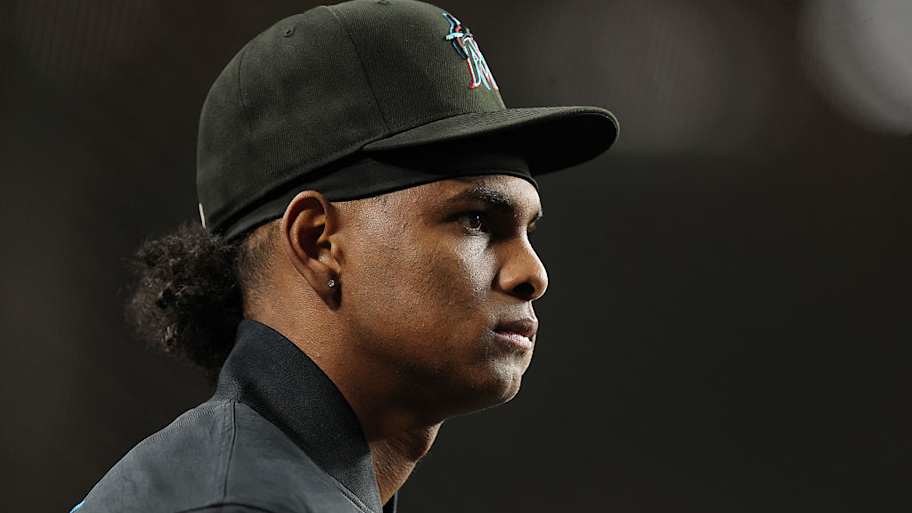
Chicago made a bold move by acquiring righty Edward Cabrera from the Miami Marlins. This deal involved the Cubs’ top prospect, outfielder Owen Caissie. Cabrera brings multiple years of club control, a devastating off-speed pitch package, and significant room for growth. It was a gamble on upside for a pitcher whose moments of brilliance have occasionally been overshadowed by command issues and inconsistency.
The Cubs’ rotation looks solid on paper. Cabrera joins 2025 All-Star Matthew Boyd and 2024 All-Star Shōta Imanaga, with Justin Steele expected to return from elbow surgery midseason. Jameson Taillon finished last season strongly, and Cade Horton was a legitimate Rookie of the Year candidate.
That said, the Cubs lack the marquee ace that teams like L.A., Philadelphia, and New York can boast. The Cubs’ pitching in October was a mixed bag, and there’s no reason to expect significantly better results in 2026 unless Horton or Cabrera take a major leap forward.
What Would It Cost for the Cubs to Trade for Tarik Skubal?
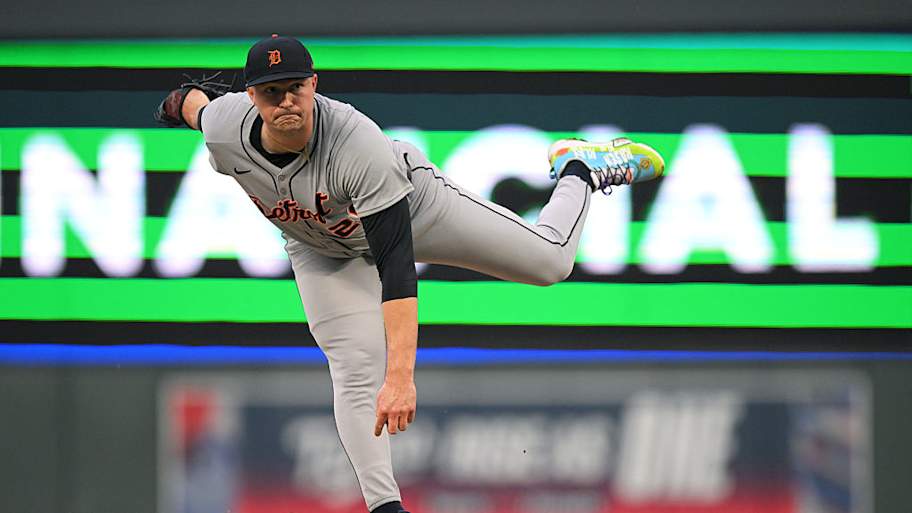
This trade could satisfy Detroit’s needs. The Tigers must understand the logic behind such a move, but Scott Harris and the front office won’t send their best pitcher without a substantial return. One year of Skubal is worth more than five years of most other pitchers. Health is always uncertain, especially for pitchers, but Skubal’s presence would greatly improve Chicago’s chances of winning the World Series in 2026.
The Cubs have the lineup best equipped to challenge Los Angeles in the NL. Skubal would almost guarantee a win every fourth game in October, especially if the Cubs can bolster their bullpen ahead of the trade deadline.
For Detroit, this trade would provide them with a couple of quality bats and arms. Jaxon Wiggins (24) and Brandon Birdsell (25) are both close to making it to the majors. Alcántara offers a blend of speed and power in the outfield, while Jonathon Long, despite defensive limitations, hits the ball extremely hard.
Would the Cubs and Tigers Actually Make This Trade?
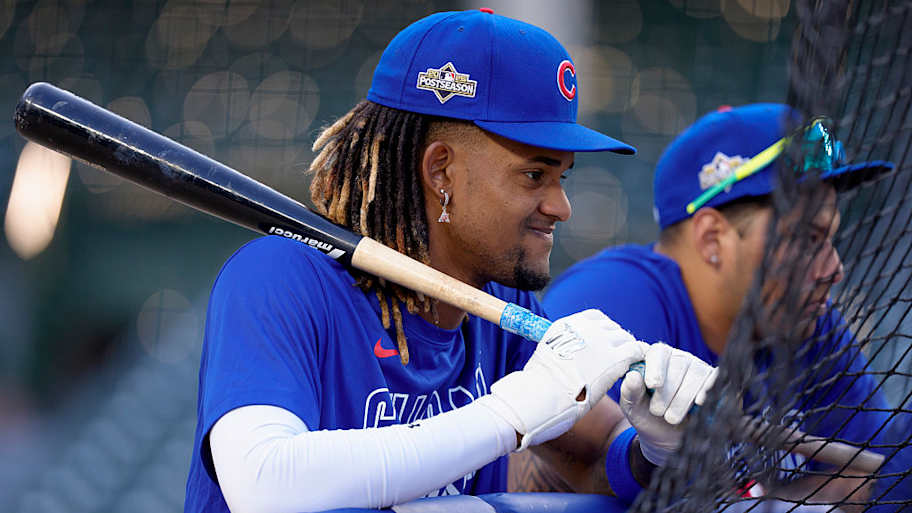
There is a real case for both sides, as outlined above. Jed Hoyer paid the price for one year of Kyle Tucker and never had illusions about re-signing him. Skubal might cost even more in terms of overall trade value, but he would elevate Chicago to a new level in the NL—and potentially on an affordable $19 million salary if Detroit wins its arbitration hearing.
That said, the risk is considerable. There is little precedent for Chicago re-signing a player of Skubal’s magnitude, so this would be strictly a rental. Giving up four top-10 prospects is a lot. Even for a year of Skubal, who would immediately become Paul Skenes’ chief competition for the NL Cy Young award.
Detroit needs to come to terms with this whole Skubal situation, but this is a high-stakes trade, especially for an expiring contract. So the Tigers probably say yes, unless another team really outbids Chicago. It’s a bit harder to determine if Chicago is willing to go this far, especially after sacrificing Cam Smith for Tucker and Owen Caissie for Cabrera. At some point, Chicago needs to protect its pipeline.
The Case for Chicago
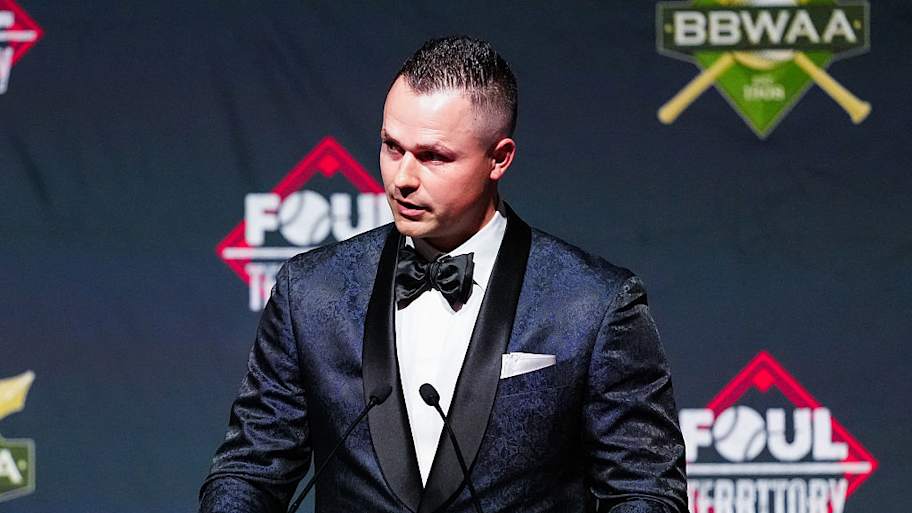
Skubal, Steele, Cabrera, Boyd, Horton. With Imanaga, Taillon, and Colin Rea to cycle through swingman roles or alternate trade proposals. That is a lot of quality pitching depth. The Cubs need youth in the rotation, and thus might hesitate at the thought of trading Jaxon Wiggins and Brandon Birdsell. But that rotation should be strong in 2026, with the depth to sustain a contender for at least a couple more years, even if (or when) Skubal leaves.
It’s hard to overstate how dominant Skubal is. He finished last season with a 2.21 ERA and 0.89 WHIP, striking out 241 batters in 195.1 innings. He has a career 2.04 ERA and 1.91 FIP in six postseason starts, logging 39.2 innings. Truly a beast.
If he stays healthy, Skubal gives Chicago a huge Game 1 advantage in the postseason. October is often a battle of inches. The offensive support Skubal lacked in Detroit should not be lacking with this Cubs roster. The Dodgers are still the kings of the NL, but Chicago suddenly shapes up as a serious threat. Sometimes you just need to push your chips in and go for it. The Alex Bregman signing adds pressure on 2026; trading for Skubal would mean the Cubs are all in.
The Case for Detroit
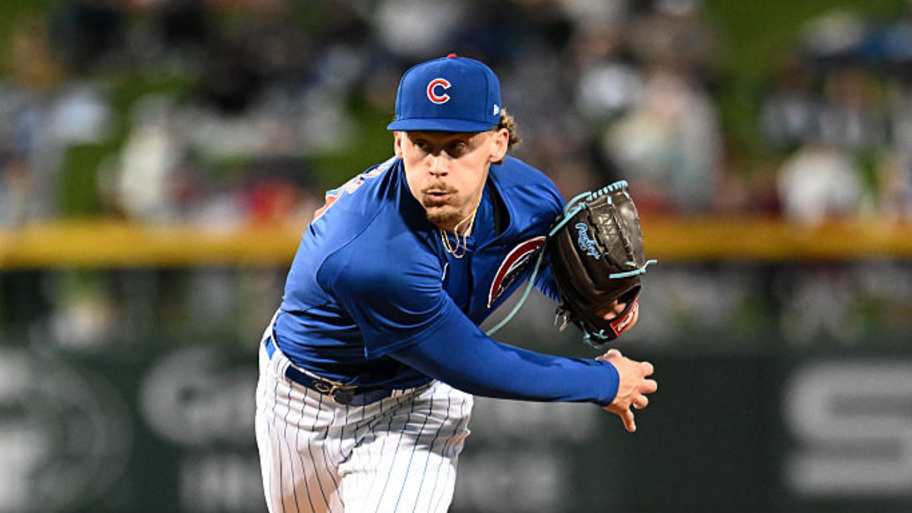
Jaxon Wiggins climbed from High-A to Triple-A last season, posting a 2.19 ERA across 78.0 Minor League innings. He averaged a healthy 11.2 K’s per nine innings. The righty has pro-quality stuff and could factor into Detroit’s rotation as soon as next season.
Brandon Birdsell offers precise command, and he gets some swing-and-miss with an unconventional release and nice layers to his arsenal. He, like Wiggins, can pitch for Detroit next season. If Detroit can get a No. 2 and a No. 4 starter out of this trade, that alone feels like a win.
Factor in Alcántara, whose 6-foot-6 frame and quick-twitch athleticism make it easy to dream of his upside, and the Tigers have a potential 20-home run, 20-stolen base centerfielder on hand. Alcántara needs to improve his approach at the plate, but the tools are tantalizing.
Long profiles as a righty first baseman or DH, which limits his appeal somewhat. But the swing profile is too good to ignore, and the Tigers need power in the worst way. His path would be a bit complicated behind Spencer Torkelson and Kerry Carpenter, but he’s talented enough to force Detroit’s hand sooner than later.
The sheer volume of talent here is enough for Detroit to be confident in getting at least a couple long-term MLB contributors out of this trade. Their farm system gets a major facelift, and sooner than later, these players will start strengthening Detroit’s roster.