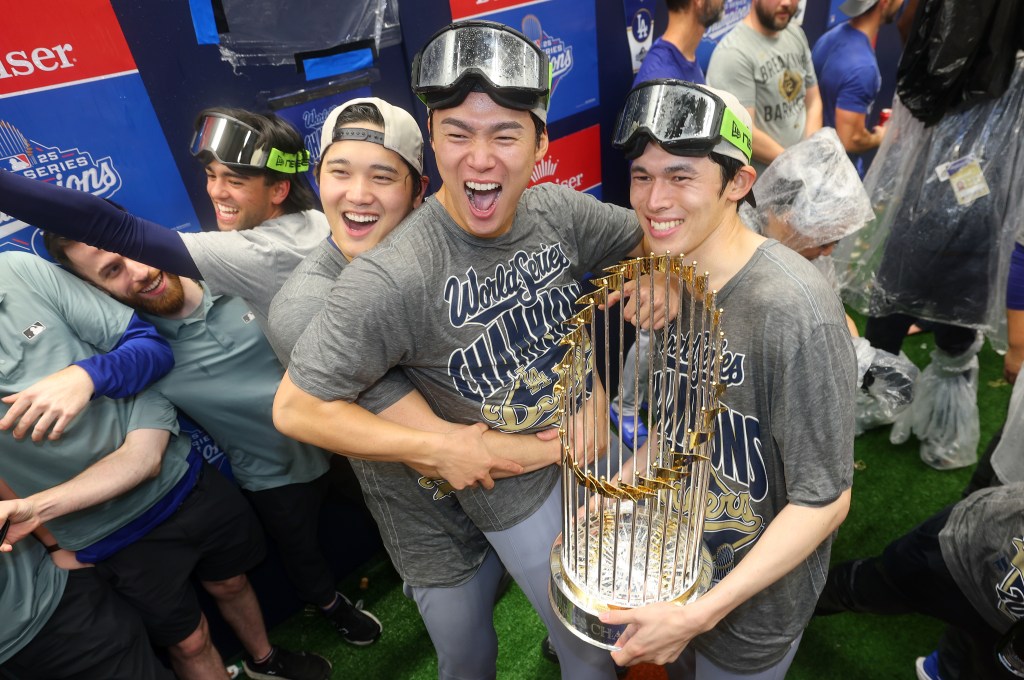
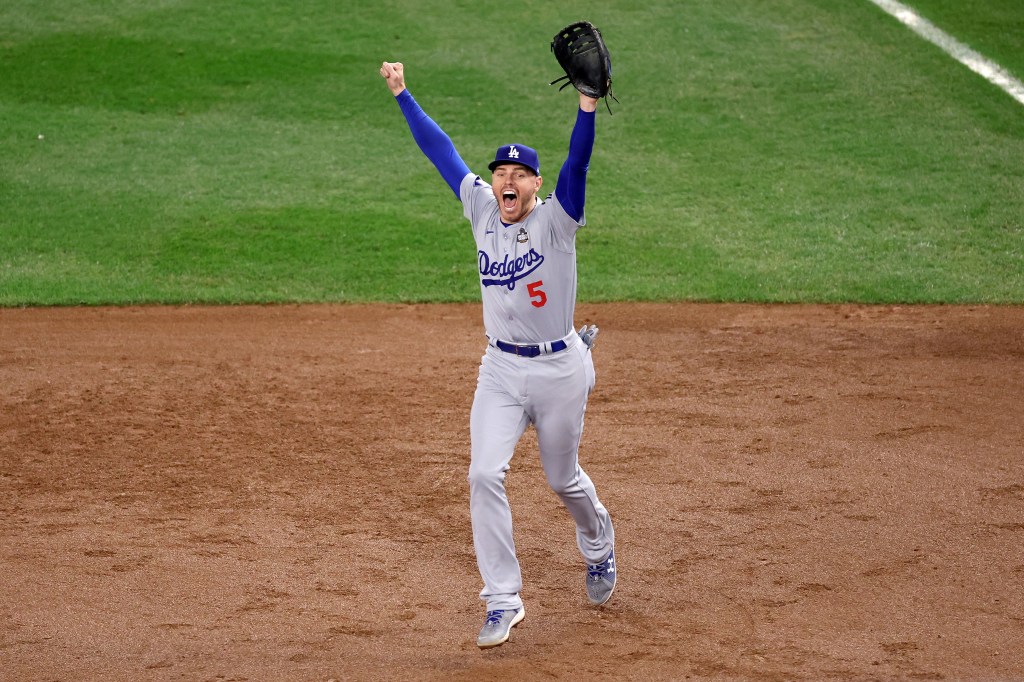
Dodgers’ Manager Says Three-Peat Is the Only Expectation
 January 26, 2026
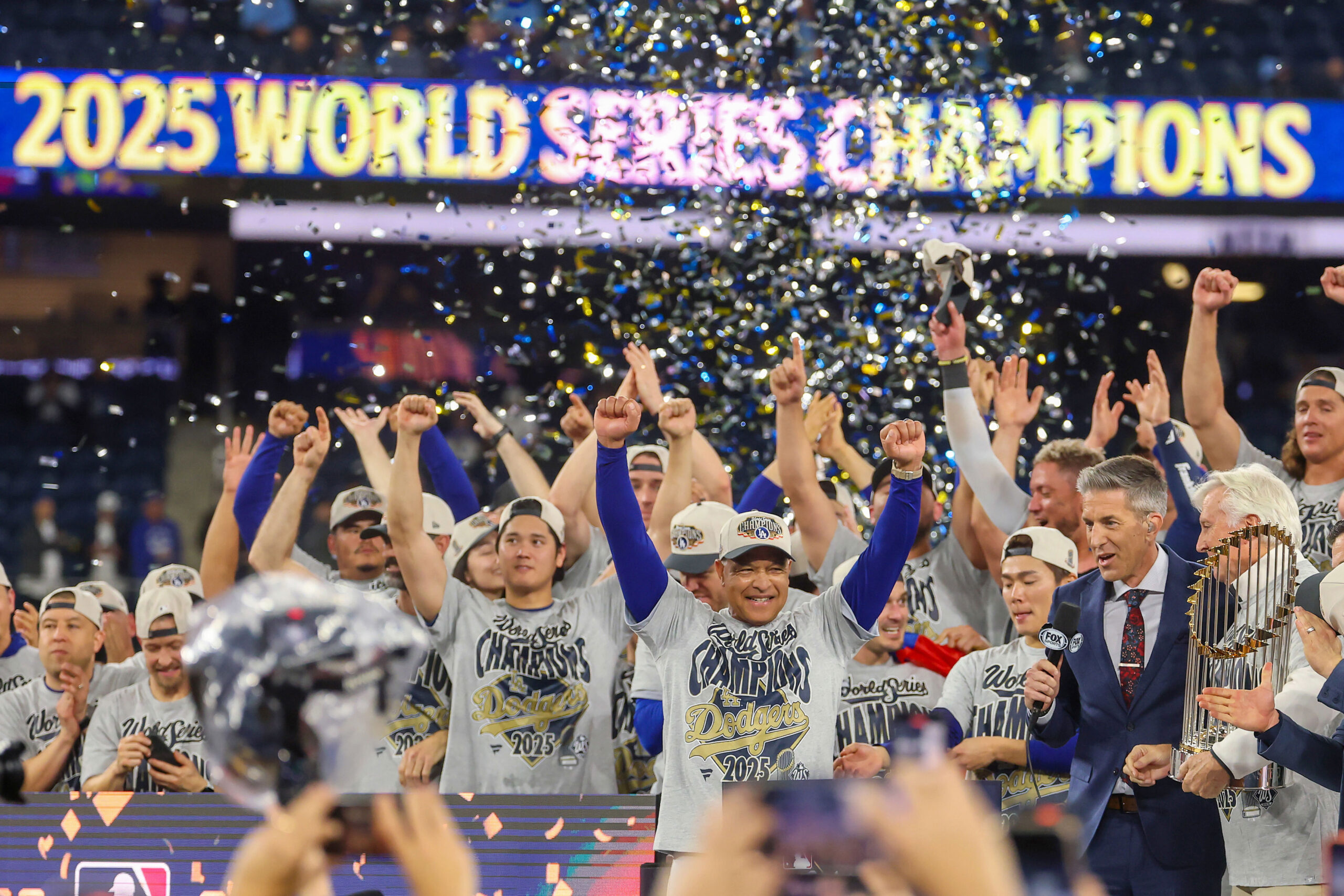
The Pressure of Legacy and the Road to a Three-Peat
Dave Roberts isn’t making any bold proclamations, but he has a clear vision for where his 2026 Dodgers team is headed. Over his 10 years as manager, the pressure on the club has always been the same: win the World Series or face criticism. However, the reasons behind that pressure have evolved over time.
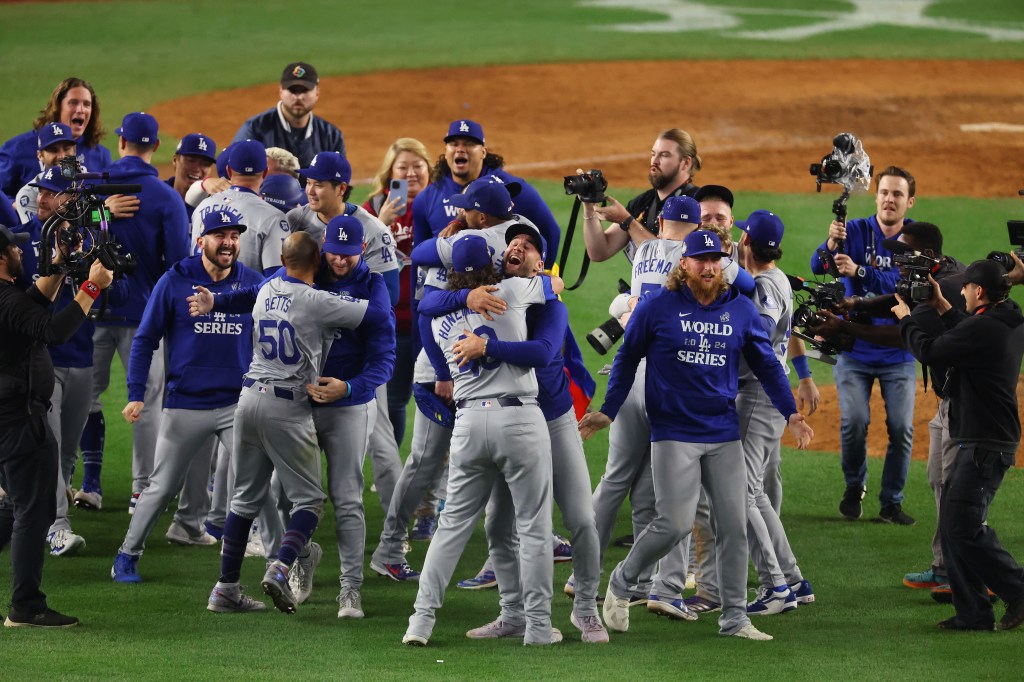
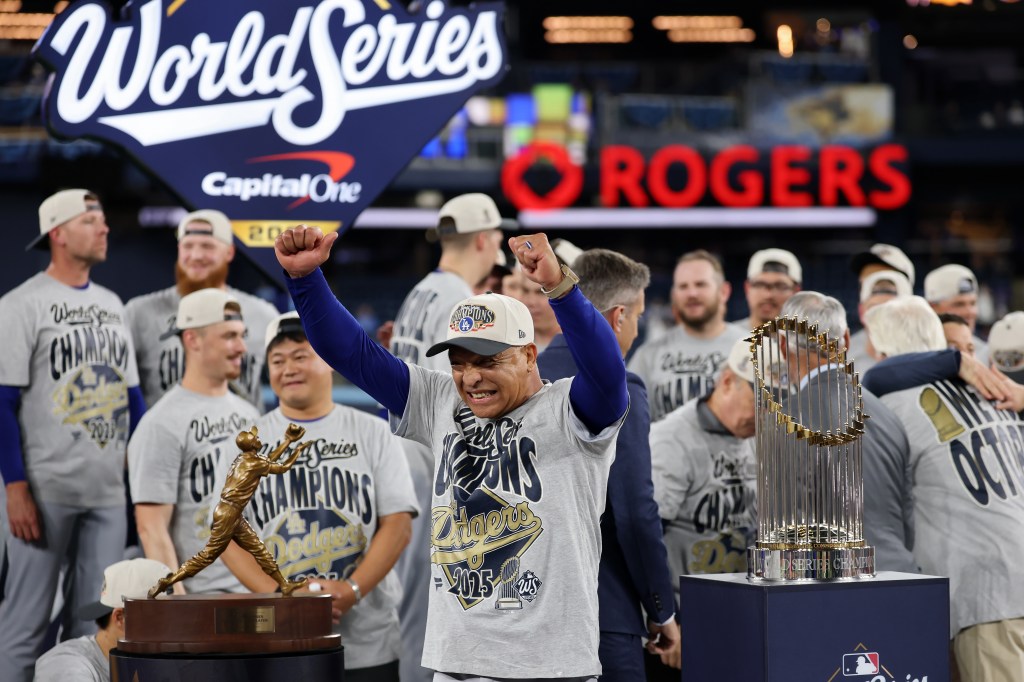
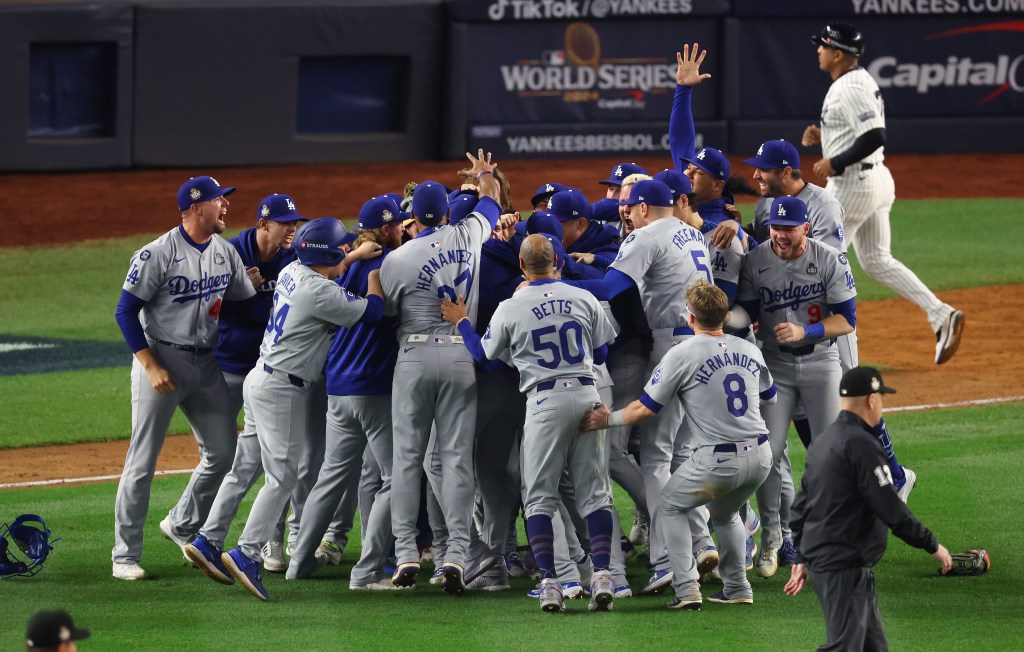
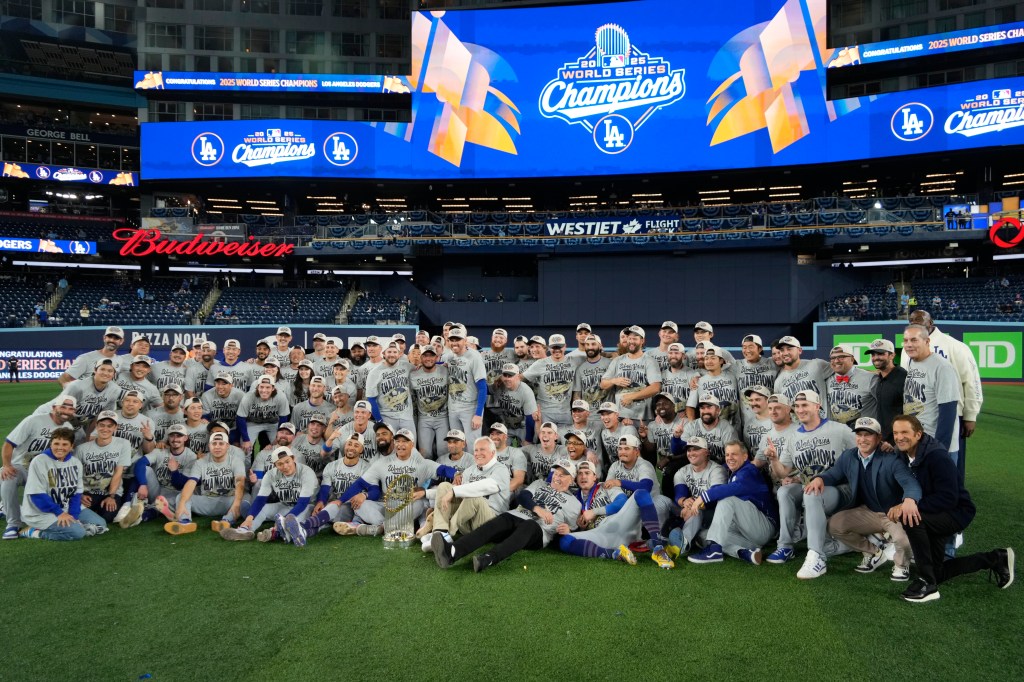
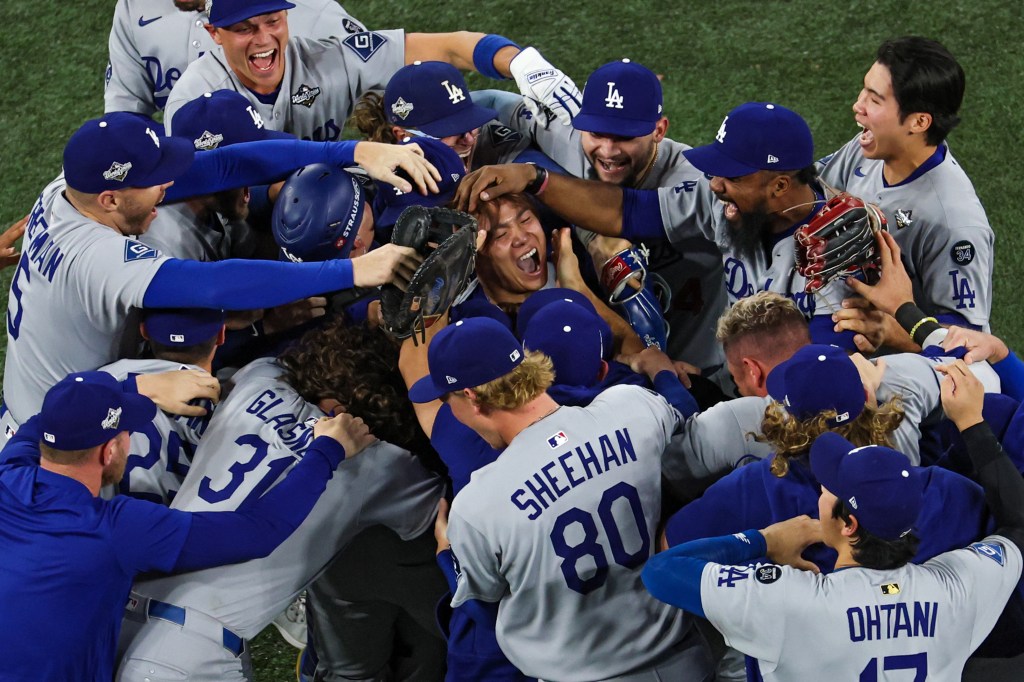
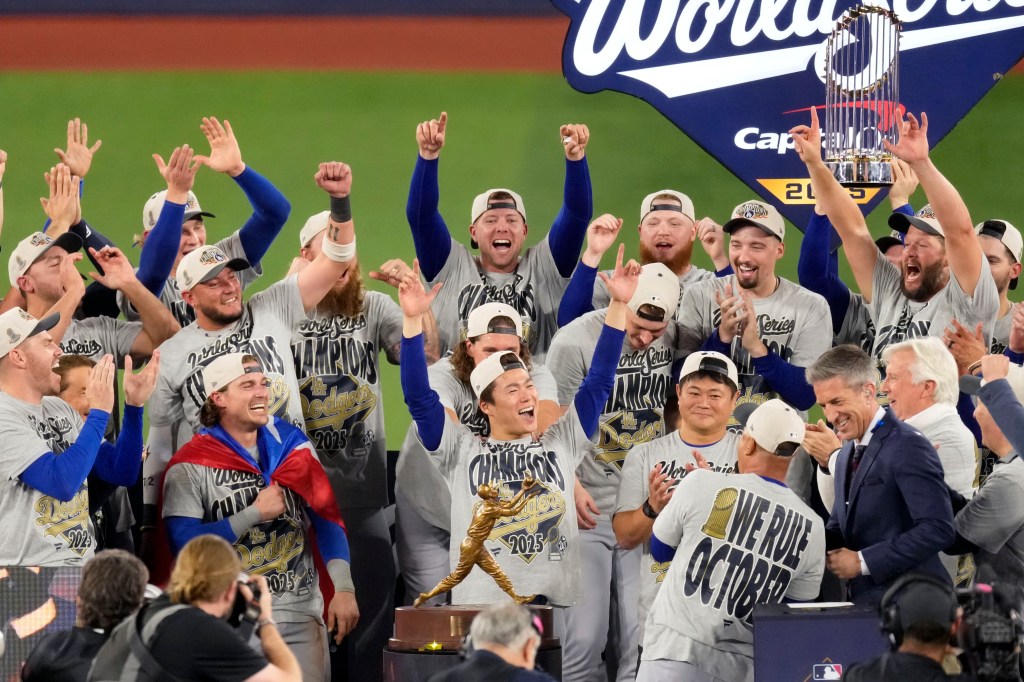
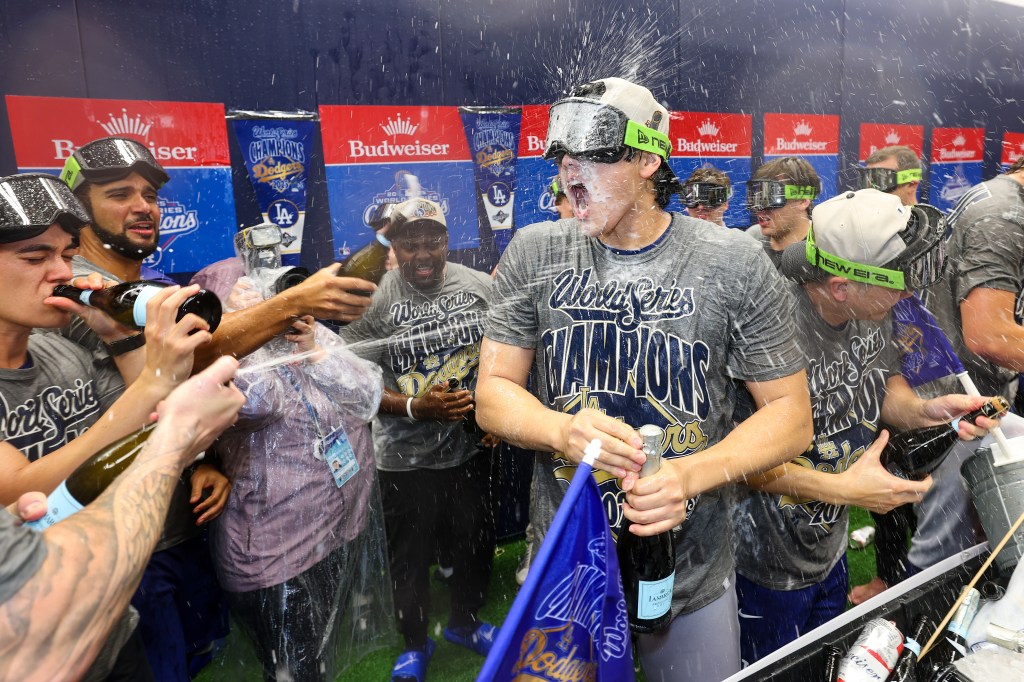
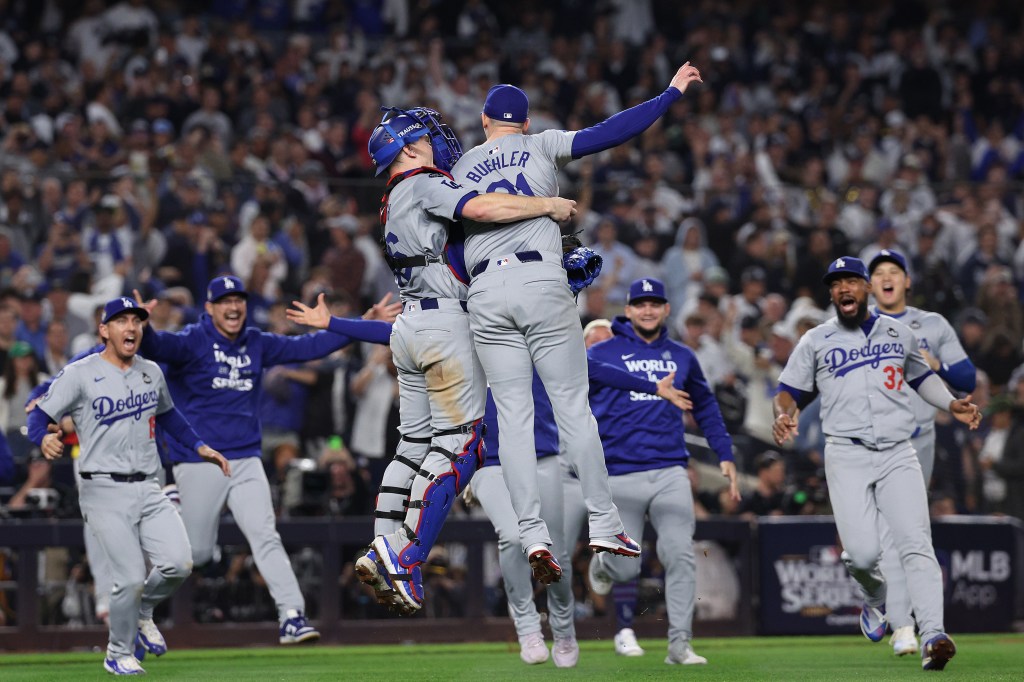
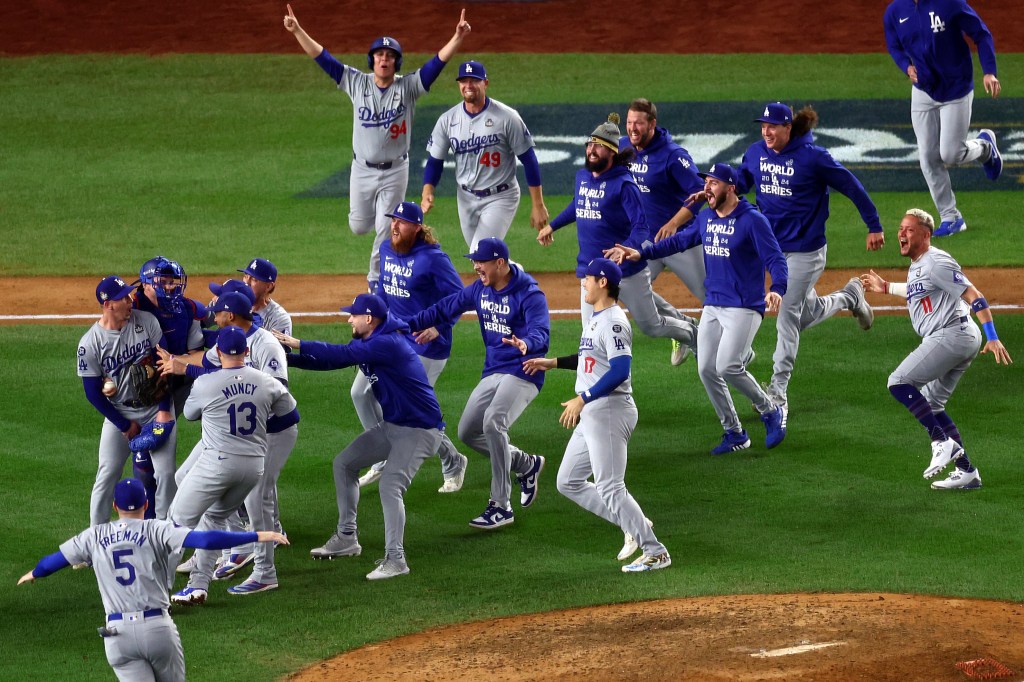
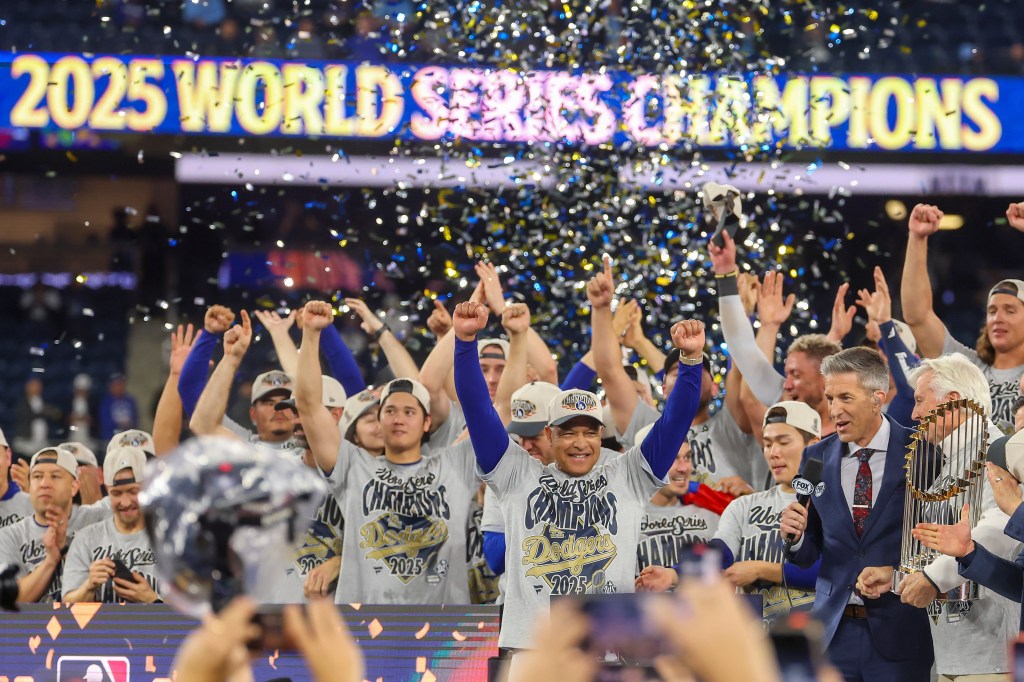
Initially, it was about ending a decades-long title drought for the franchise. Then, it became about validating the 2020 championship in a pandemic-altered season. Later, it was about erasing a pattern of October disappointments. And finally, it was about becoming the first repeat champion in a quarter-century and cementing a dynasty that had been building for over a decade.
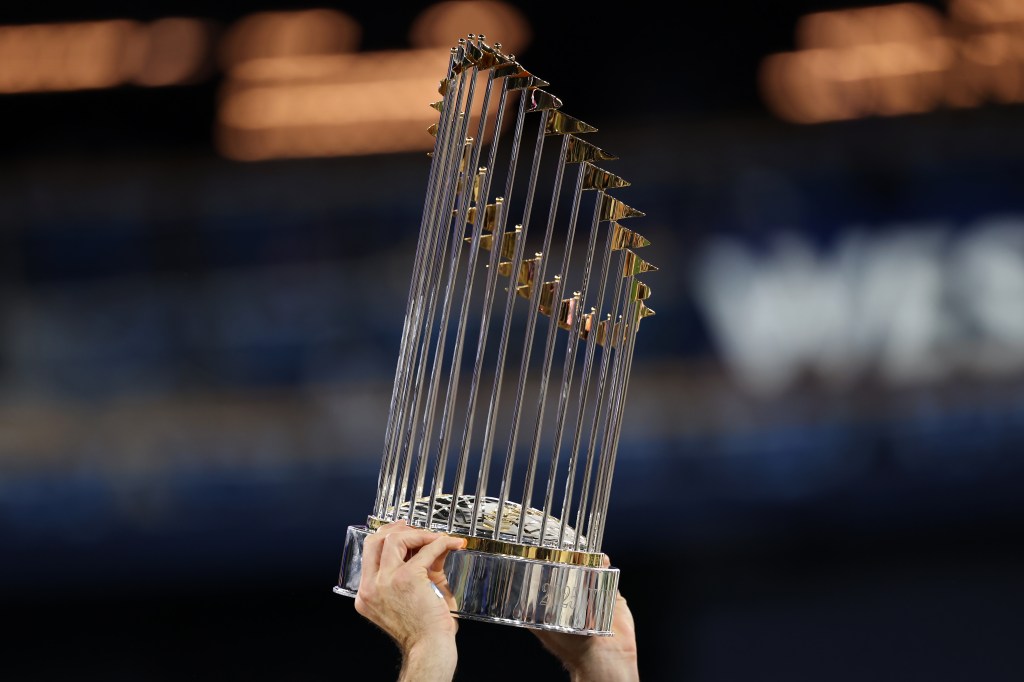
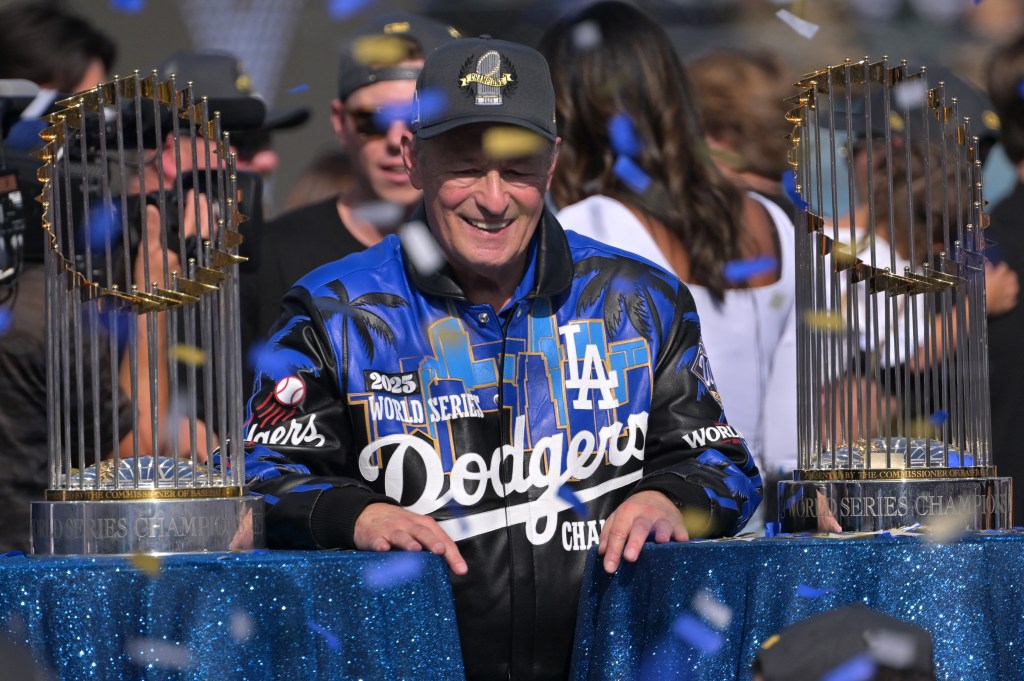
This year, the stakes are even higher. The Dodgers are aiming to complete only the third World Series three-peat in MLB’s expansion era (since 1961). They’re also trying to solidify their place among the greatest teams of all time. All of this is happening against a backdrop of ongoing concerns about competitive balance and financial parity in baseball.
“It’s kind of who we are,” Roberts said. “That’s the expectation.”
When Roberts spoke with The California Post recently, he didn’t try to downplay the expectations or warn about the challenges ahead. Instead, he compared his current team to the late ’90s New York Yankees, the most recent team to achieve a three-peat.
“I think it’s a good debate,” he said, later adding, “I think three [World Series] in a row would certainly make our case stronger.”
Roberts embraced the external pressure that comes with leading such a high-profile team. “If you’re saying a championship is the only thing that we expect, and we’re gonna win this year, then you gotta realize that bar. And I think that’s a good thing.”
When asked if that meant he wanted to guarantee a third-straight ring, he chuckled and flashed a confident grin. “That’s the plan,” he said. “That’s the plan.”
A Team Built to Win
On paper, the Dodgers’ 2026 plans look almost unbeatable. They are returning almost the entire 2025 lineup and added four-time All-Star and top free-agent outfielder Kyle Tucker on a $240 million contract last week. They are bringing back practically every member of last year’s pitching staff, except for the now-retired Clayton Kershaw, and strengthened their bullpen by signing top free-agent closer Edwin Díaz to a $69 million deal.
Plus, Shohei Ohtani will be available as a full-time, two-way player for the first time in his Dodgers career.
It’s no surprise that the Dodgers are already the prohibitive favorites for the World Series. Their odds are three times shorter than the next closest contender, and they lead Fangraphs’ team WAR projections by almost seven wins.
“[The team] speaks for itself,” Tucker said at his introductory press conference. “You don’t really get that very often.”
Challenges Ahead
Despite their impressive roster, the Dodgers will face unique challenges this season. Over the past two years, the club has played a combined 33 postseason games, which takes a toll on their aging lineup.
“That’s an extra month to a month and a half that you don’t get to rest and recover,” third baseman Max Muncy said. “One postseason game is the equivalent of playing three extra-inning games, all at one time. The stress — both mental, physical, emotional — it’s just on a whole ‘nother level.”
Last October, the Dodgers also pushed their pitching staff, particularly the starting rotation, to a point that increases injury risk for the following season.
“We definitely have to be mindful of that,” said president of baseball operations Andrew Friedman.
Team officials aren’t worried about motivation or complacency. Players like Shohei Ohtani and Mookie Betts have already spoken about their goals for a three-peat.
“I’m ready to get another ring next year,” Ohtani said. “It’s time to fill the hand all the way up, baby,” Betts added.
Managing the Mental and Physical Toll
Still, there will be difficulties that force the Dodgers to be strategic with their roster management. The team plans to be more cautious with pitchers’ workloads and give veteran hitters more off-days.
“I think the most taxing part of it, even with the pitchers, is the mind, the emotions,” Roberts said. “Even last year, you could see that the intensity wasn’t there all year. It’s just hard to manufacture that, certainly coming off two world championships.”
Embracing the Pressure
Despite the challenges, Roberts doesn’t want to shy away from the pressure, expectations, or historical significance. He believes the team should embrace it, use it as fuel, and let it shape an organizational culture that has already brought them to the top of the sport.
“I think it puts it on [the players] and myself and the coaches to keep that incentive to be a team that wins three in a row,” Roberts said. “I have enough trust with our players that when I talk about things like that, they talk about things like that. We’re not gonna run from it… I think our guys really can understand and manage that, and that comes with experience.”