


Toothless Arsenal Tragically Falls 3-2 to Resurgent Manchester United
 January 25, 2026
A Bold Move That Backfired
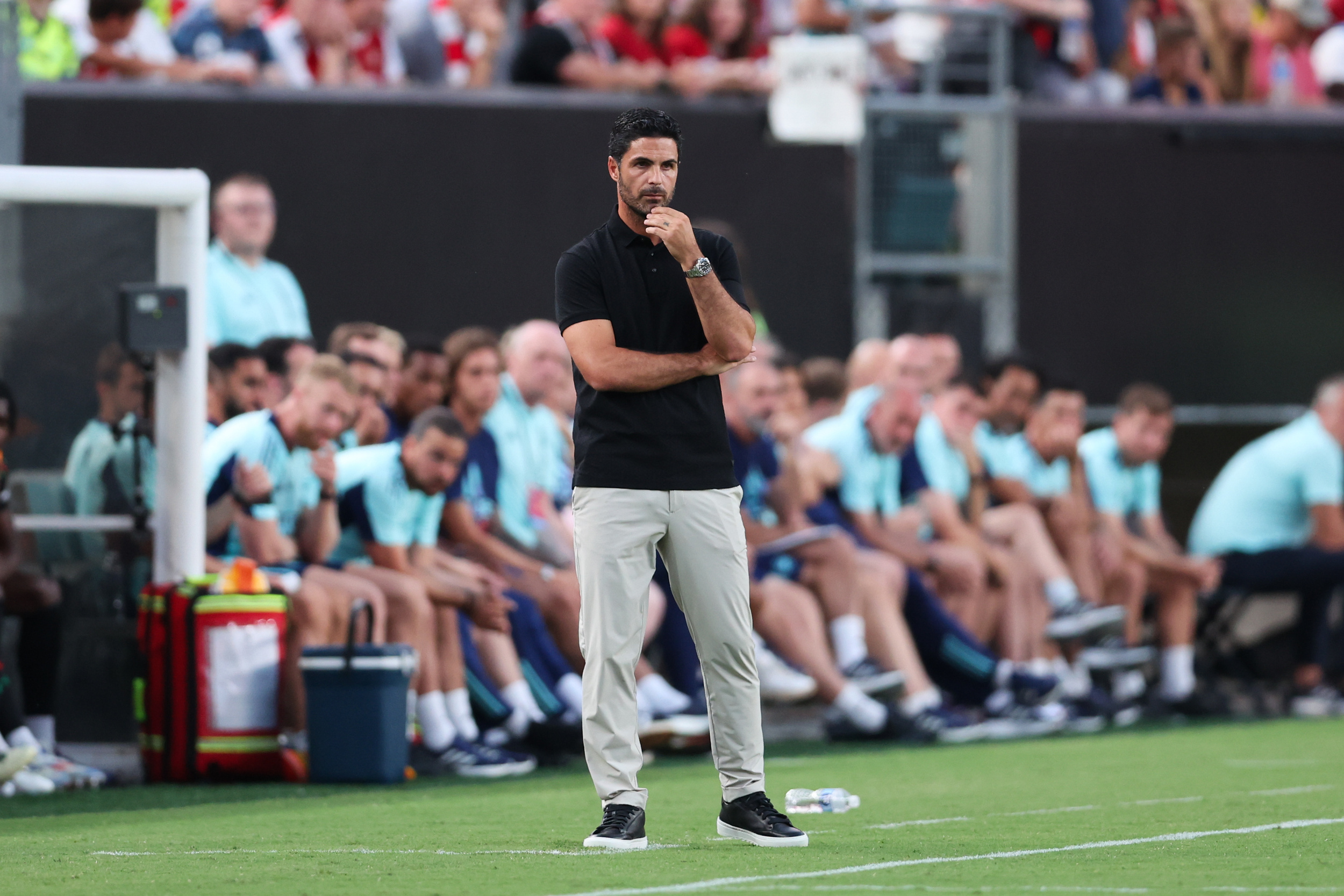
During the second half of Manchester United’s visit to Arsenal, there was a moment that suggested the Gunners were finally ready to take control. With the score at 2-1 in favor of United and the clock ticking past 58 minutes, Arsenal made some unexpected changes. Coach Mikel Arteta swapped out players known for their control, like Piero Hincapie, Martin Zubimendi, and Martin Odegaard, for his most dangerous offensive creators. It was as if United had taken notice—because for the next 30 minutes, they would have to deal with Leandro Trossard, Ebereche Eze, Mikel Merino, Viktor Gyokeres, and Bukayo Saka all on the field at once.
Arteta doesn’t usually go for such bold moves. He knows his bench is deep and prefers to keep it that way. If he can rest some of his attackers while still winning games, he will. But this time, it wasn’t enough. United played with confidence, arrogance, and respect in all the right ways, and they were determined to win. Arteta knew he needed to shake United’s confidence as much as he needed to score a goal. His aggressive substitution at the 58th minute was meant to be a rare display of Arsenal’s strength.
It didn’t work. Trossard, Eze, Merino, Gyokeres, and Saka never looked more threatening than when they were all together after the substitutions. When the final whistle blew, ending the game 3-2 in United’s favor, Arsenal’s attacking group had managed an open-play expected goals tally of just .81. That’s not power—it’s pointless. And so was Arsenal on a night when it needed every point it could get.
Anxiety or Apathy?
Arsenal entered the match against Manchester United knowing that a victory was crucial. Both Manchester City and Aston Villa had won in the previous 24 hours, putting them level on 46 points—just four points behind Arsenal’s 50. But from the opening kick, Arsenal didn’t play like a team desperate to win. Instead, it seemed more like a team that didn’t want to lose and would have accepted any other result without complaint.
“We had a lot of giveaways, a lot of duels they won and let them run and attack us,” said Arsenal captain Odegaard, according to The Telegraph. “We never got into the rhythm of creating chances, creating attacks.”
Arteta agreed, saying, “The game wasn’t in our control and then they had two magic moments. Credit to them.”
Arsenal’s lack of inspiration was clear throughout the second half, but it was most evident in the final minutes of extra time. With less than five minutes left and a one-goal deficit keeping it from a draw, Arsenal still had a chance to take a point—but instead, it spent its time carefully playing out through its defense rather than pushing forward with intent. It seemed more focused on passing than on scoring in the dying moments of the match.
Did Arsenal freeze up and revert to basics out of fear? Or did it genuinely have no plan for a situation like this? Either way, it’s not the kind of instinct you’d expect from a Premier League champion.
A Tough Road Ahead
The club’s next Premier League opponents are Leeds, Sunderland, Brentford, Spurs, and Chelsea. Arsenal took 11 of a possible 15 points from those five teams in the first half of the season. If it isn’t able to meet or exceed that tally, its four-point lead at the top of the table could be gone by the end of February.
Arsenal’s attack has the potential to stop the skid. If Arteta can get his deep bench of offensive playmakers working—and stop them from reverting to meaningless passes in moments of need—his team will look far more like champions than they did against Manchester United.