


Oklahoma’s QB Roller Coaster Lands Them in a Strong Position
 January 27, 2026
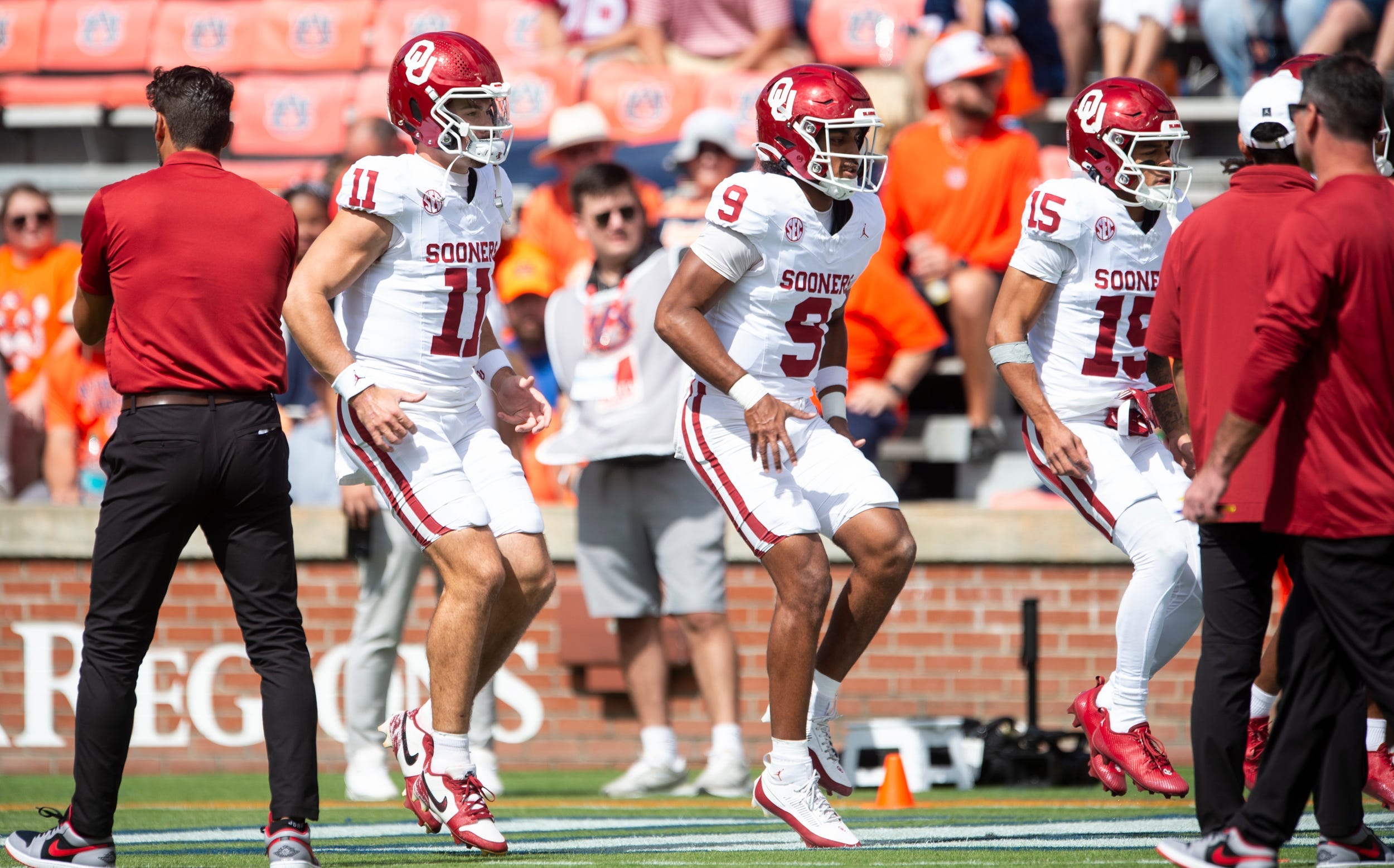
The Pressure of Being the Oklahoma Sooners’ Quarterback
Being the quarterback for the Oklahoma Sooners is no easy task. In the 21st century, the role has become more demanding than ever, with a heightened focus on passing and the overall performance of the position. While the Sooners have historically had strong quarterbacks, the transition under Bob Stoops in 1999 marked a turning point that changed the game forever.
Since then, Oklahoma has consistently produced some of the best quarterbacks in college football. However, this success comes with immense pressure. Players like Josh Heupel, Nate Hybl, and Jason White laid the foundation in the early 2000s, setting a high standard. Rhett Bomar and Paul Thompson were among the last starters before the rise of social media, which often amplifies criticism rather than support.
Sam Bradford and Landry Jones took the Sooners into the age of social media, showcasing their skills as pocket passers. Trevor Knight, Blake Bell, and Cody Thomas followed, but they faced the challenge of living up to the legacy set by their predecessors. This cycle of high expectations continues, with each new quarterback stepping into the spotlight with the weight of history on their shoulders.
The Rise and Fall of Jackson Arnold
The pressure can sometimes bring out the best in players, as seen with Baker Mayfield, Kyler Murray, and Jalen Hurts. These quarterbacks not only met but exceeded expectations, ensuring the Sooners remained dominant under Lincoln Riley’s leadership. However, the same pressure can also lead to disappointment, as seen with Spencer Rattler and Caleb Williams, who left Oklahoma after showing flashes of potential but failing to meet the high standards set by the program.
In 2024, Oklahoma hoped Jackson Arnold would be the next great quarterback. He was highly anticipated, but his performance fell short, leading to his benching. Michael Hawkins Jr., a true freshman, stepped in and performed admirably despite a struggling offense. Arnold eventually returned, but the results were only marginally better, and it became clear that his time at Oklahoma was limited.
The New Era: John Mateer and the Future
After Arnold’s departure, John Mateer took over, bringing a sense of stability to the position. Despite a thumb injury that required surgery, Mateer showed promise and helped the Sooners return to the College Football Playoff. His performance under pressure was commendable, even if he wasn’t perfect.
Arnold, now at Auburn, struggled and was eventually benched. He transferred to UNLV, where he will work under Dan Mullen, known for developing elite quarterbacks. Hawkins, who chose to stay at Oklahoma, later transferred to West Virginia, where he could finally take on a starting role. Meanwhile, Mateer remains at Oklahoma, poised to lead the team in 2026.
A New Chapter for the Sooners
Oklahoma’s journey through the past two seasons has been tumultuous, but it has also provided valuable lessons. The program has learned from the challenges faced by Arnold and Hawkins, and now has a solid foundation with Mateer at the helm. His experience, leadership, and understanding of the system make him the ideal candidate to lead the Sooners into the 2026 season.
As the Sooners look ahead, they are focusing on building a sustainable future at quarterback. Bowe Bentley, the heir apparent, will watch and learn from Mateer, preparing to take over in 2027. The lessons learned from recent struggles have reinforced the importance of mental resilience and the ability to handle the pressures of being a Sooner quarterback.
Conclusion
It’s hard being the quarterback of the Oklahoma Sooners, and in today’s world, it’s even harder than ever before. The program has weathered its share of ups and downs, but the current setup under Mateer offers hope for a brighter future. With the right mindset and support, the Sooners are back on track at quarterback, ready to face whatever challenges lie ahead.