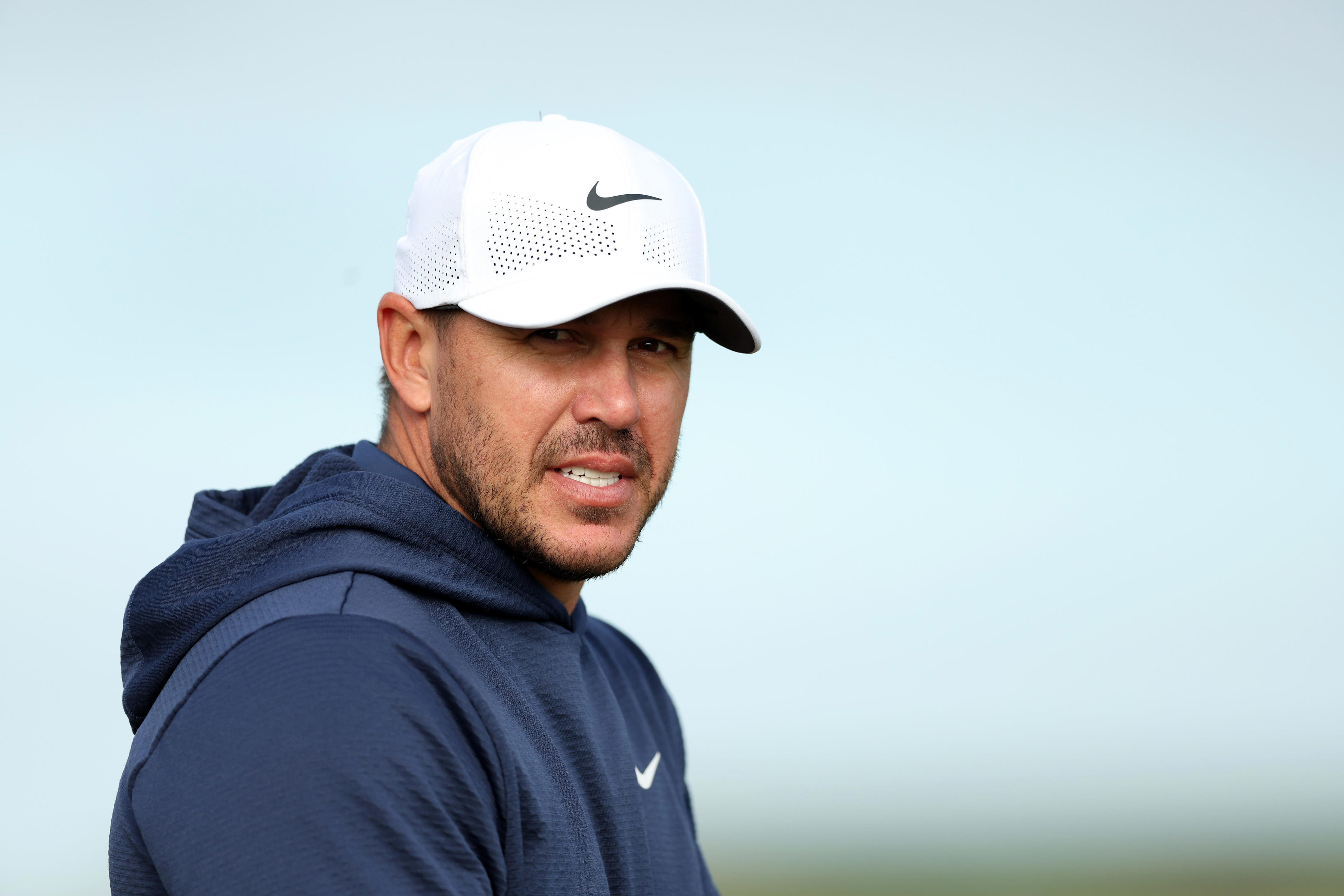
Lynch: Brian Rolapp Secures Early Victory as Brooks Koepka Returns. Tougher Challenges Await
 January 25, 2026
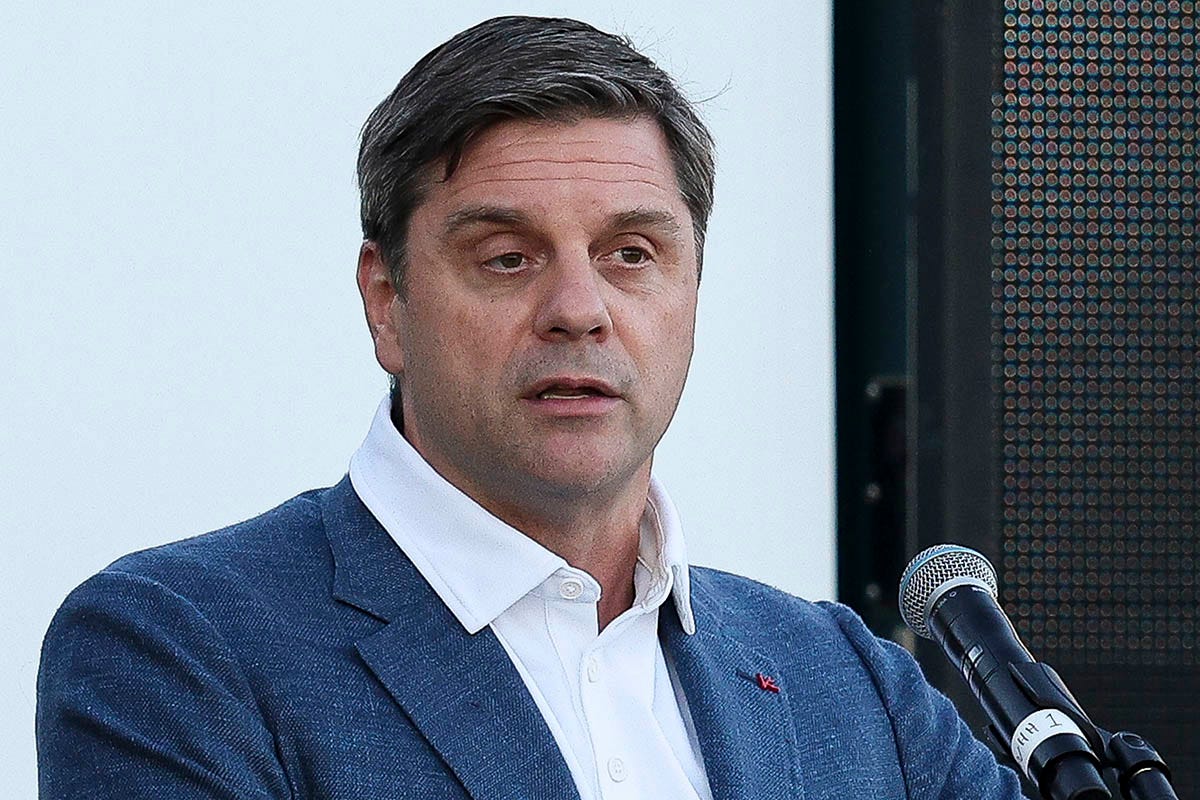
A Leadership Challenge for PGA Tour CEO Brian Rolapp
Brian Rolapp, the CEO of the PGA Tour, has already demonstrated his ability to navigate complex interpersonal dynamics within the world of professional golf. As a self-proclaimed enthusiast of presidential biographies, he may be familiar with Dwight Eisenhower’s famous quote about leadership being the art of getting someone else to do what you want done because they want to do it. Rolapp has successfully brought Brooks Koepka back into the fold, managing to keep any underlying tensions in check among his peers. This achievement highlights his skill in maintaining harmony and mutual respect within the locker room.
However, the real test of Rolapp’s leadership is just around the corner. In six weeks, the Future Competition Committee he appointed will unveil its initial concepts for the Tour’s future. This will be followed by a period of negotiation, compromise, and reconciliation, ultimately leading to a final plan. These changes, while promising, are likely to take several years to materialize.
The process ahead is akin to threading a needle while walking on hot coals. One of the key challenges involves Joe Gorder, the chairman of PGA Tour Enterprises, who previously led Valero Energy, a company that has sponsored the Texas Open for 24 years. The event is not guaranteed to survive the anticipated schedule cuts, which adds another layer of complexity to Rolapp’s task.
Rolapp must also address various factions within the Tour, including members who have grown accustomed to a system that provided them with work, but now face significant reductions in opportunities and pathways to status. Investors, who have poured $1.5 billion into the Tour, expect a return on their investment, even if they are not typical private equity investors. Additionally, loyal tournaments and sponsors may feel excluded from the new order, as well as media partners who have invested heavily in the current product.
Golf fans, who have become weary of hearing about the need to wait while others get their turn, are another critical group. Rolapp must convince them that the changes are for the betterment of the sport, not just for the benefit of a few.
To achieve this, Rolapp needs to employ persuasive tactics that can win over the reluctant and confront those who resist change. He can frame schedule and eligibility changes as a way to reward excellence, implicitly challenging players to argue against mediocrity. This approach demands decent field sizes and smarter criteria for filling them, ensuring that up-and-coming talents like Blades Brown are given equal opportunities as seasoned veterans like Vijay Singh.
Rolapp must also educate his investors about the broader responsibilities of the Tour, beyond just profit margins. He should create off-ramp options for impacted events and sponsors, offering them alternatives through international swings, the Korn Ferry or Champions circuits, or a Fall scramble for status.
However, convincing media partners to pay more for a shrinking product will be a tough sell. While a smaller Tour may eventually become a better one, networks may push for a commensurately smaller price tag. Rolapp must ensure that fans see the value in what is being added, rather than focusing on what is being removed.
Recent discussions about the potential loss of the Hawaii swing illustrate the delicate balance he must maintain. A compelling case can be made for starting the season with a more energetic opening, rather than the traditional laid-back aloha. Rolapp must present these arguments effectively.
Golf viewers are creatures of habit, finding comfort in familiar venues, tournaments, and players. If the Tour plans to make changes, Rolapp must clearly explain why. Even an improved Tour could lose support if fans believe the changes are driven by financial considerations rather than a genuine desire to enhance the sport.
By the time Rolapp is deeply involved in these challenges, he might wish the task was as simple as finding a welcome for Team Reed. The path ahead is fraught with complexities, but Rolapp’s ability to navigate them will determine the future of the PGA Tour.